NEWS
NEWS
Rethinking Culture: How Female Leaders Are Changing the Way Fintech Teams Work
Rethinking Culture: How Female Leaders Are Changing the Way Fintech Teams Work
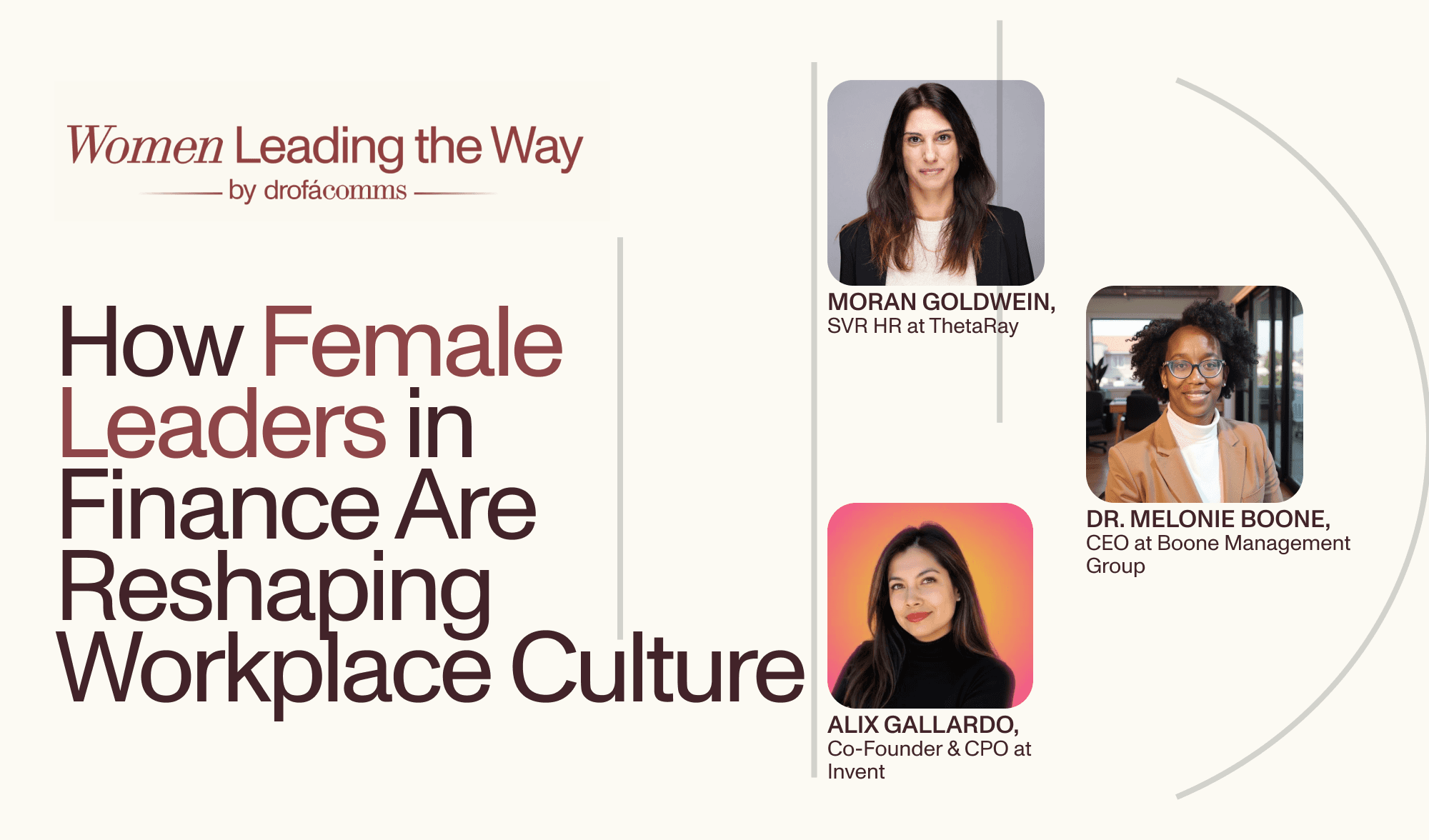
In finance and fintech, where competition for talent continues to grow, workplace culture is becoming a defining factor in how companies attract and retain employees.
At the same time, more women are stepping into senior leadership roles across the industry. Alongside the growing representation, many organisations are beginning to notice changes that come along with diverse teams, and they translate into how teams operate, make decisions, and collaborate.
These changes are not always immediate or easy to measure. More often, they appear through everyday behaviours and the way leadership is exercised in practice.
To better understand whether women can genuinely transform the workplace culture, the Drofa Comms team spoke with industry professionals, who shared their observations on this question.
Culture as Something You Can Measure
In many organisations, culture is still discussed as a set of values or principles. But in practice, it often shows up in how work gets done and in the changes that come as more women enter management.
Dr. Melonie Boone, CEO of Boone Management Group, suggests that female leaders in finance are helping change this perspective. In her view, culture operates as a system that affects execution, alignment, and performance.
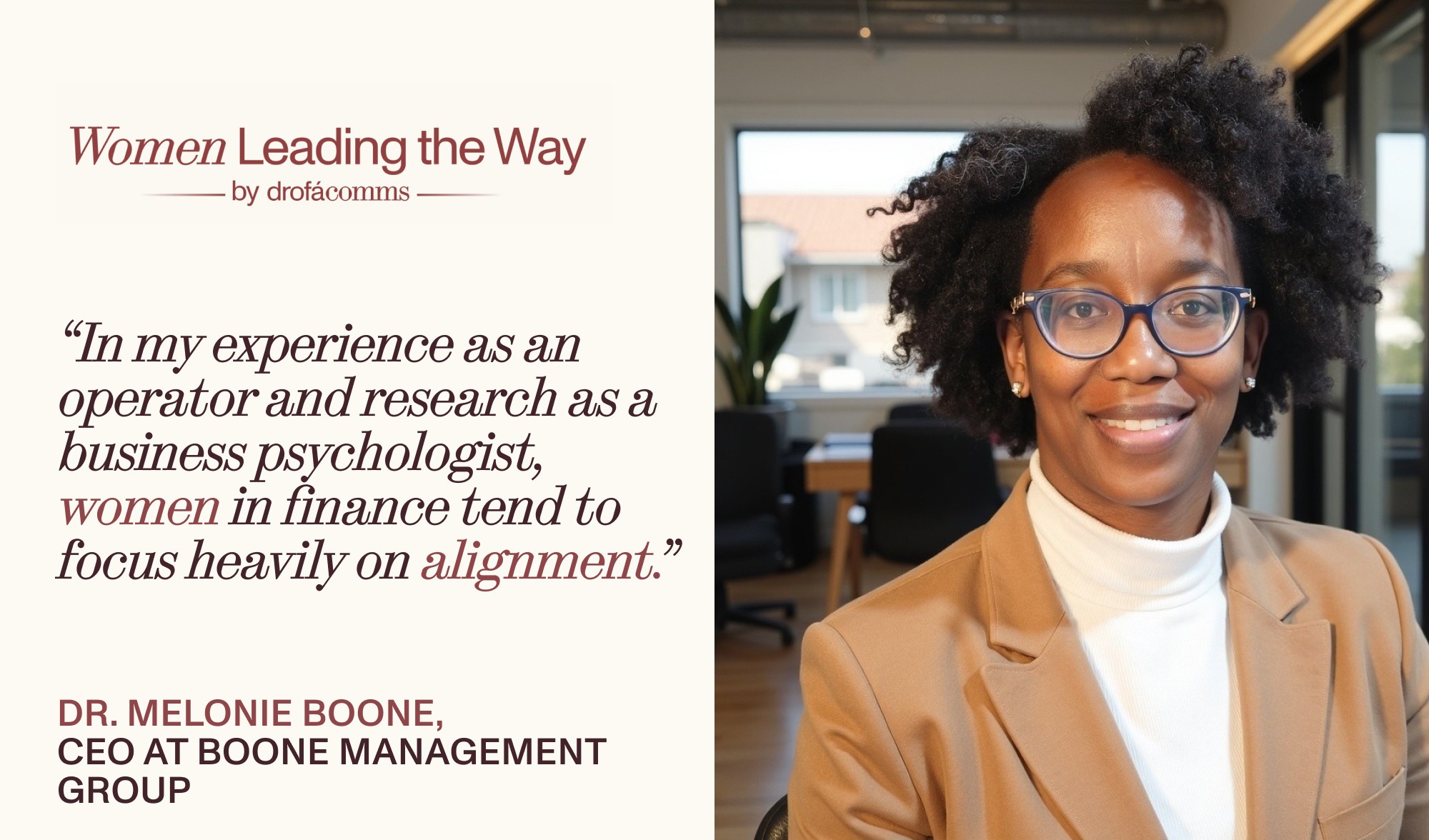
Female leaders frequently bring a high degree of Psychological Capital (HERO), Hope, Efficacy, Resilience, and Optimism to the executive suite. In high-pressure environments, these are performance drivers.
When leaders prioritise efficacy and resilience, they reduce "execution drag," the invisible friction caused by misalignment and behavioural stress that slows down decision velocity.
She also observes that many women leaders place strong emphasis on clarity — who is responsible for what, how decisions are made, and how teams stay aligned. When these elements are clearly defined, organisations tend to experience less friction and fewer delays.
This kind of clarity can also reduce what Boone describes as “execution drag” — the small misalignments and uncertainties that slow teams down, especially in high-pressure environments.
Moving From Authority to Collaboration
Another noticeable difference is a shift in how leadership authority is expressed. Having a coaching and consultative approach gets teams to contribute more, rather than waiting to be told how to act.
This can seriously change how teams behave. Research shows that when people feel their input is expected and their opinion matters, they are more likely to contribute ideas and raise potential issues sooner.
Actually, women leaders often look at problems from multiple angles before reaching conclusions. This can result in decisions that feel more grounded in evidence, not driven by speed or hierarchy.
Female leaders also prove themselves to be more empathic, meaning they are more likely to listen first, building team trust at the same time. Consequently, when they make decisions, they’re more likely to be supported and followed.
Over time, this approach can shape a culture where participation becomes the norm, not something employees wait to be invited into.
Creating Space for Questions and Experimentation
One of the most observable patterns that emerges with women's representation is the role of psychological safety in shaping culture.
Moran Goldwein, SVP HR at ThetaRay, explains that many technology transformations succeed or fail not because of technical capability, but because of how comfortable employees feel engaging with change.
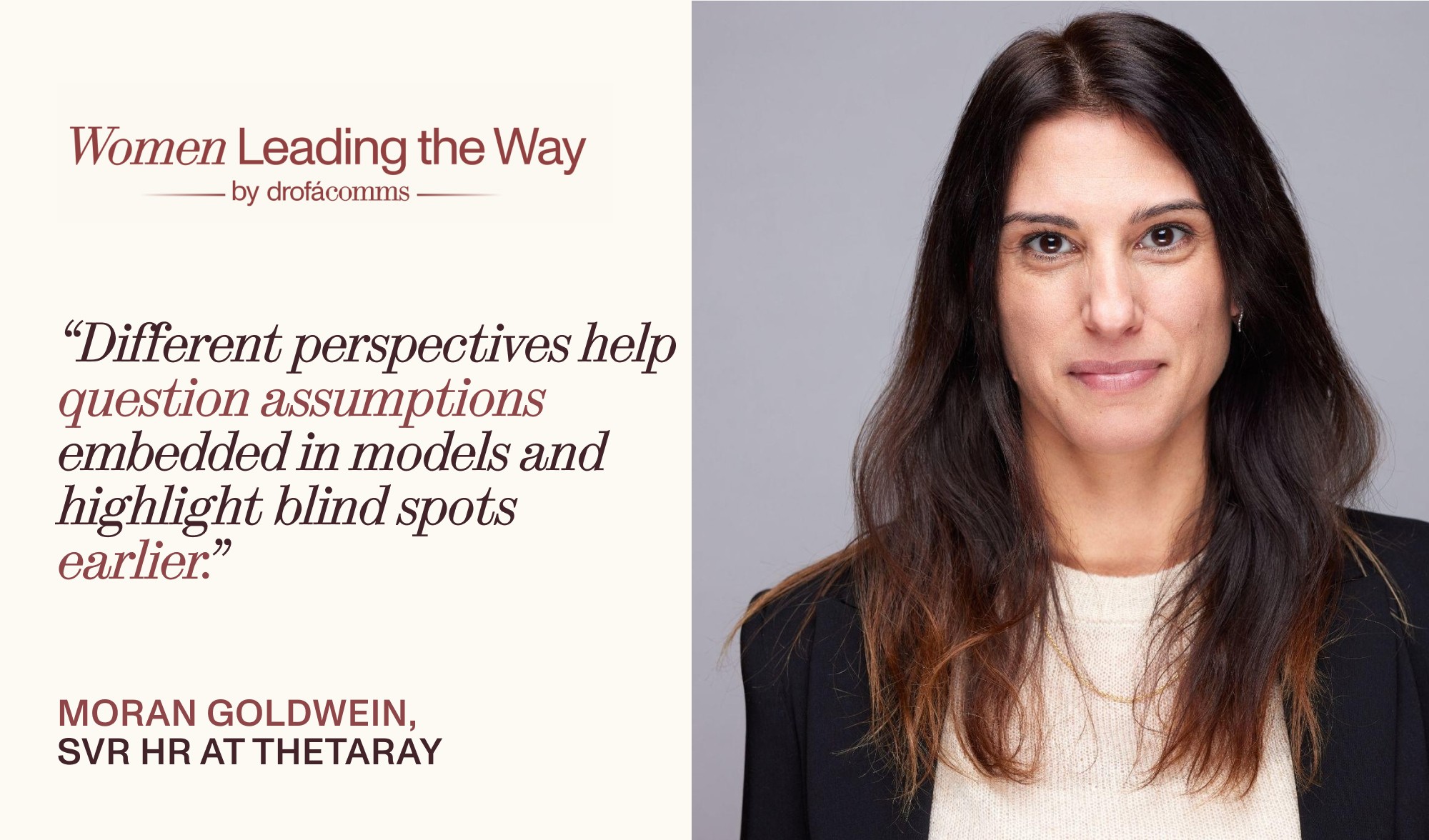
In many cases, the diversity of global teams becomes an advantage. Different perspectives help question assumptions embedded in models and highlight blind spots earlier.
When teams are encouraged to ask questions, test ideas, and challenge assumptions, they are more likely to adapt successfully, especially in areas like AI adoption.
Women create environments where admitting you don't know something is normalised, and that psychological safety prevents billion-dollar mistakes.
When Representation Becomes the Norm
While individual leadership styles matter, real cultural change should happen at scale.
The thing is, having one woman in leadership is rarely enough to shift workplace dynamics. Instead, meaningful change tends to happen when women are represented across management at levels that reflect the broader workforce.
In these environments, women’s perspectives are less likely to be dismissed or treated as exceptions. This, in turn, makes it easier to challenge long-standing assumptions about what leadership “should” look like, particularly in industries like finance, where authority has traditionally been associated with masculinity.
By having women represented in management at scale, they also become a norm as opposed to an exception. As representation increases, so does the likelihood that different leadership styles are recognised as equally valid.
Building Cultures Where People Stay
Beyond strategy and execution, female leaders are also described as having a strong influence on employees' workplace experience.
Alix Gallardo, Co-founder and CPO at Invent, highlights the importance of recognition, encouragement, and open communication.
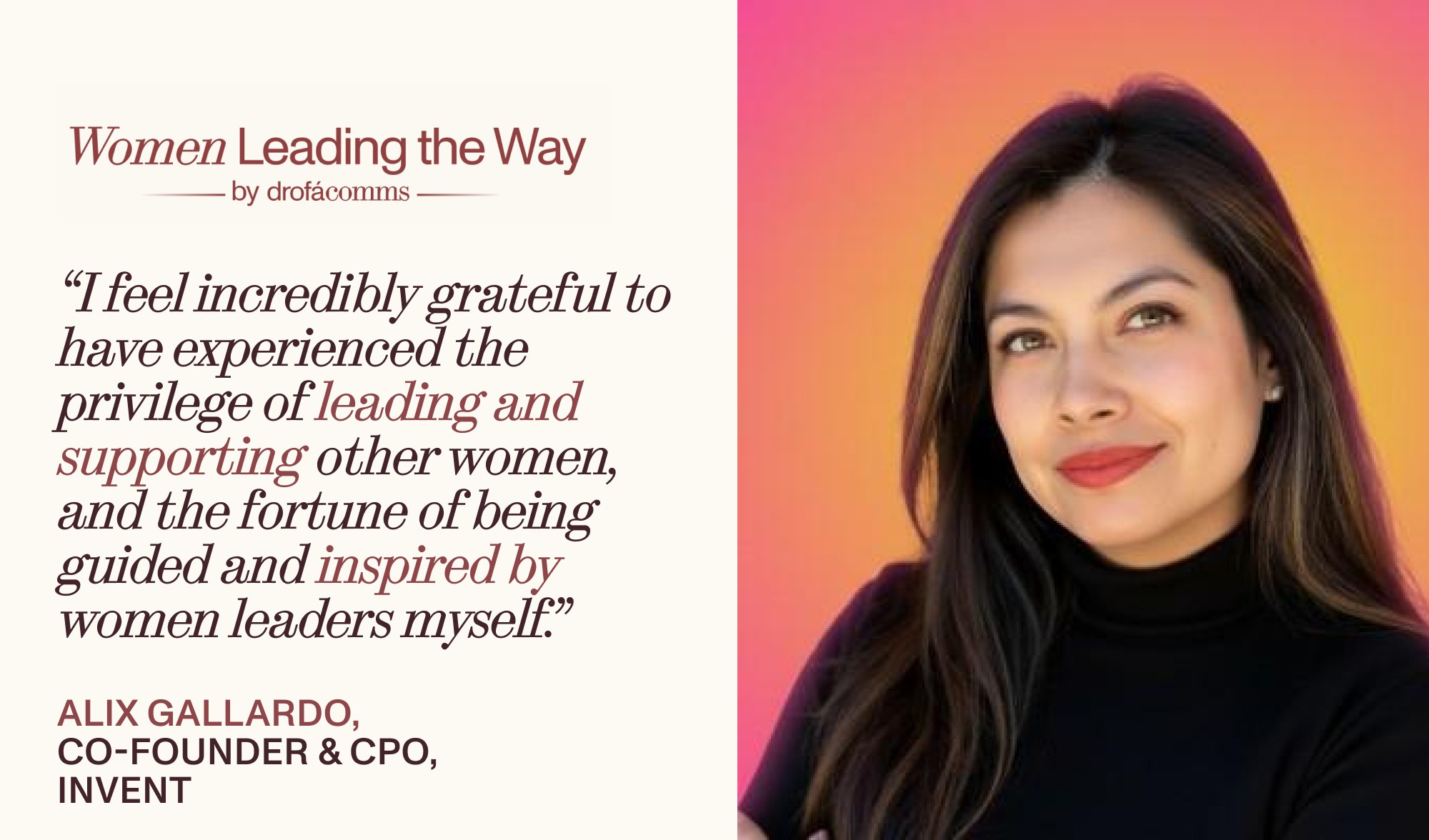
In her experience, female leaders actively support their teams and acknowledge contributions, creating environments where people feel more confident and engaged. Women also tend to challenge the status quo and encourage continuous improvement.
I’ve seen firsthand how the presence of women in leadership positions can influence the overall atmosphere and team dynamics.
“In sectors like finance and fintech, which have traditionally been male-dominated, this kind of support can truly make a difference in engagement and retention, especially for women. Active feedback loops exist,” thinks Gallardo.
When employees feel supported and included, they are more likely to stay and to contribute more.
Conclusion
The experts interviewed for this article agree that the influence of women in leadership goes far beyond representation alone.
Across finance and fintech, female leaders are helping reshape workplace culture through collaboration, clarity, accountability, and long-term thinking.
Rather than relying on hierarchy alone, many women leaders encourage participation, where they create space for questions and build environments where employees feel comfortable contributing ideas and challenging assumptions.
The professionals also emphasise that meaningful cultural change happens when representation becomes consistent across leadership levels. As more women take on senior roles, different leadership styles become normalised, helping organisations move away from outdated expectations of what authority should look like.
Acknowledgements: Drofa Comms is thankful to Dr. Melonie Boone, Moran Goldwein, and Alix Gallardo for contributing their expertise to this Women Leading the Way article.
In finance and fintech, where competition for talent continues to grow, workplace culture is becoming a defining factor in how companies attract and retain employees.
At the same time, more women are stepping into senior leadership roles across the industry. Alongside the growing representation, many organisations are beginning to notice changes that come along with diverse teams, and they translate into how teams operate, make decisions, and collaborate.
These changes are not always immediate or easy to measure. More often, they appear through everyday behaviours and the way leadership is exercised in practice.
To better understand whether women can genuinely transform the workplace culture, the Drofa Comms team spoke with industry professionals, who shared their observations on this question.
Culture as Something You Can Measure
In many organisations, culture is still discussed as a set of values or principles. But in practice, it often shows up in how work gets done and in the changes that come as more women enter management.
Dr. Melonie Boone, CEO of Boone Management Group, suggests that female leaders in finance are helping change this perspective. In her view, culture operates as a system that affects execution, alignment, and performance.
Female leaders frequently bring a high degree of Psychological Capital (HERO), Hope, Efficacy, Resilience, and Optimism to the executive suite. In high-pressure environments, these are performance drivers.
When leaders prioritise efficacy and resilience, they reduce "execution drag," the invisible friction caused by misalignment and behavioural stress that slows down decision velocity.
She also observes that many women leaders place strong emphasis on clarity — who is responsible for what, how decisions are made, and how teams stay aligned. When these elements are clearly defined, organisations tend to experience less friction and fewer delays.
This kind of clarity can also reduce what Boone describes as “execution drag” — the small misalignments and uncertainties that slow teams down, especially in high-pressure environments.
Moving From Authority to Collaboration
Another noticeable difference is a shift in how leadership authority is expressed. Having a coaching and consultative approach gets teams to contribute more, rather than waiting to be told how to act.
This can seriously change how teams behave. Research shows that when people feel their input is expected and their opinion matters, they are more likely to contribute ideas and raise potential issues sooner.
Actually, women leaders often look at problems from multiple angles before reaching conclusions. This can result in decisions that feel more grounded in evidence, not driven by speed or hierarchy.
Female leaders also prove themselves to be more empathic, meaning they are more likely to listen first, building team trust at the same time. Consequently, when they make decisions, they’re more likely to be supported and followed.
Over time, this approach can shape a culture where participation becomes the norm, not something employees wait to be invited into.
Creating Space for Questions and Experimentation
One of the most observable patterns that emerges with women's representation is the role of psychological safety in shaping culture.
Moran Goldwein, SVP HR at ThetaRay, explains that many technology transformations succeed or fail not because of technical capability, but because of how comfortable employees feel engaging with change.
In many cases, the diversity of global teams becomes an advantage. Different perspectives help question assumptions embedded in models and highlight blind spots earlier.
When teams are encouraged to ask questions, test ideas, and challenge assumptions, they are more likely to adapt successfully, especially in areas like AI adoption.
Women create environments where admitting you don't know something is normalised, and that psychological safety prevents billion-dollar mistakes.
When Representation Becomes the Norm
While individual leadership styles matter, real cultural change should happen at scale.
The thing is, having one woman in leadership is rarely enough to shift workplace dynamics. Instead, meaningful change tends to happen when women are represented across management at levels that reflect the broader workforce.
In these environments, women’s perspectives are less likely to be dismissed or treated as exceptions. This, in turn, makes it easier to challenge long-standing assumptions about what leadership “should” look like, particularly in industries like finance, where authority has traditionally been associated with masculinity.
By having women represented in management at scale, they also become a norm as opposed to an exception. As representation increases, so does the likelihood that different leadership styles are recognised as equally valid.
Building Cultures Where People Stay
Beyond strategy and execution, female leaders are also described as having a strong influence on employees' workplace experience.
Alix Gallardo, Co-founder and CPO at Invent, highlights the importance of recognition, encouragement, and open communication.
In her experience, female leaders actively support their teams and acknowledge contributions, creating environments where people feel more confident and engaged. Women also tend to challenge the status quo and encourage continuous improvement.
I’ve seen firsthand how the presence of women in leadership positions can influence the overall atmosphere and team dynamics.
“In sectors like finance and fintech, which have traditionally been male-dominated, this kind of support can truly make a difference in engagement and retention, especially for women. Active feedback loops exist,” thinks Gallardo.
When employees feel supported and included, they are more likely to stay and to contribute more.
Conclusion
The experts interviewed for this article agree that the influence of women in leadership goes far beyond representation alone.
Across finance and fintech, female leaders are helping reshape workplace culture through collaboration, clarity, accountability, and long-term thinking.
Rather than relying on hierarchy alone, many women leaders encourage participation, where they create space for questions and build environments where employees feel comfortable contributing ideas and challenging assumptions.
The professionals also emphasise that meaningful cultural change happens when representation becomes consistent across leadership levels. As more women take on senior roles, different leadership styles become normalised, helping organisations move away from outdated expectations of what authority should look like.
Acknowledgements: Drofa Comms is thankful to Dr. Melonie Boone, Moran Goldwein, and Alix Gallardo for contributing their expertise to this Women Leading the Way article.
London office
Rise, created by Barclays, 41 Luke St, London EC2A 4DP
Nicosia office
2043, Nikokreontos 29, office 202
DP FINANCE COMM LTD (#13523955) Registered Address: N1 7GU, 20-22 Wenlock Road, London, United Kingdom For Operations In The UK
AGAFIYA CONSULTING LTD (#HE 380737) Registered Address: 2043, Nikokreontos 29, Flat 202, Strovolos, Cyprus For Operations In The EU, LATAM, United Stated Of America And Provision Of Services Worldwide
Drofa © 2024
London office
Rise, created by Barclays, 41 Luke St, London EC2A 4DP
Nicosia office
2043, Nikokreontos 29, office 202
DP FINANCE COMM LTD (#13523955) Registered Address: N1 7GU, 20-22 Wenlock Road, London, United Kingdom For Operations In The UK
AGAFIYA CONSULTING LTD (#HE 380737) Registered Address: 2043, Nikokreontos 29, Flat 202, Strovolos, Cyprus For Operations In The EU, LATAM, United Stated Of America And Provision Of Services Worldwide
Drofa © 2024
