NEWS
NEWS
Why Does Visibility Matter for Women in Finance, and How Can They Build It?
Why Does Visibility Matter for Women in Finance, and How Can They Build It?
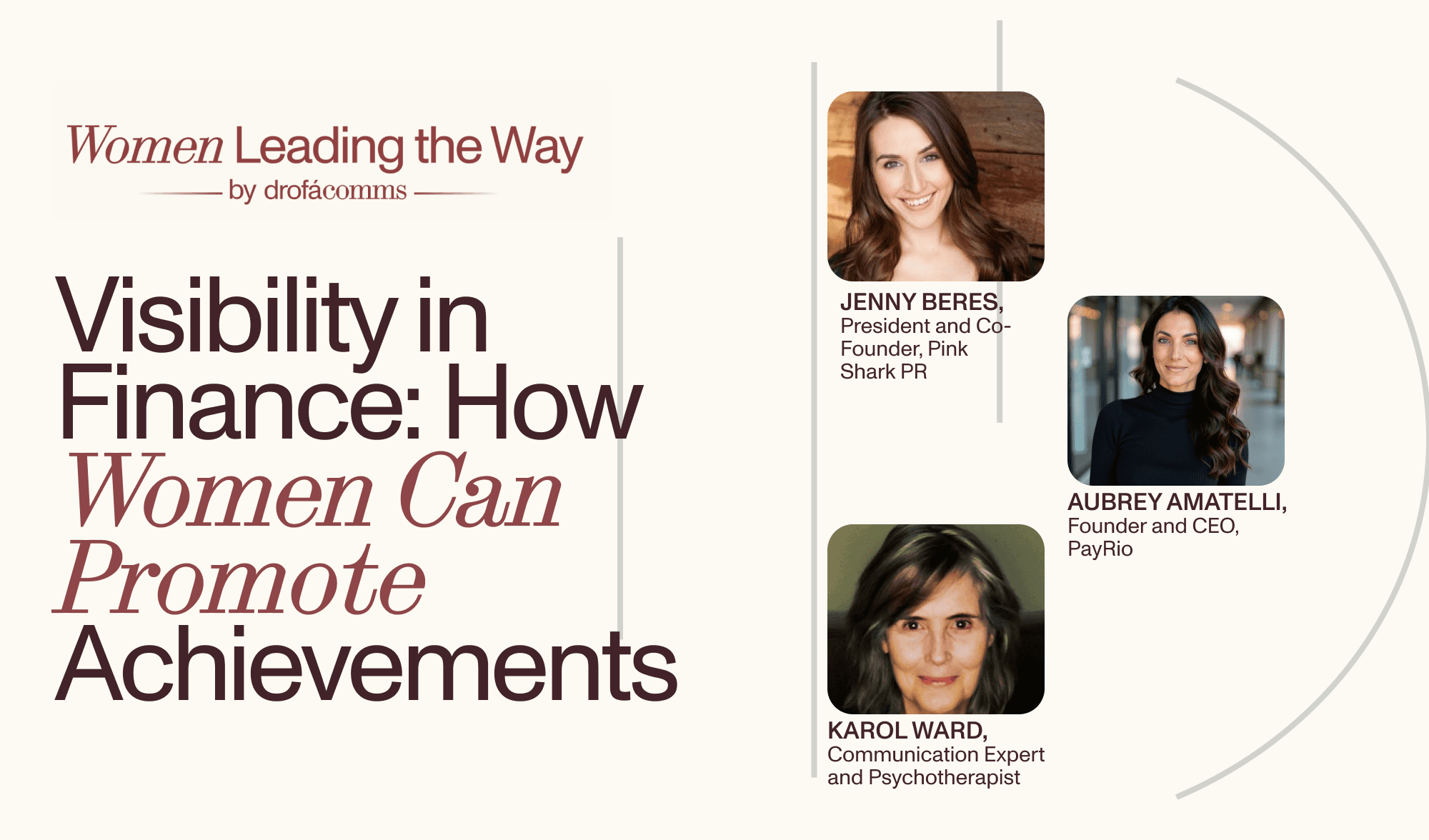
In our recent material, we questioned the assumption that the finance industry is built on meritocracy and whether it’s truly only skills and expertise that determine a person’s success. In reality, the picture is much more complex. Many studies show that women often face unequal access to opportunities, visibility, and sponsorship long before their performance is even evaluated.
In light of this, a more specific question arises: if access to opportunity depends on visibility, then what determines visibility itself? Despite years of progress, women still remain underrepresented at senior levels. They hold roughly one-third of leadership roles globally, and, what is more uncomfortable, the largest drop-offs occur at the early stages of the career ladder.
As part of the Women Leading the Way initiative, the Drofa Comms team asked senior finance professionals about the influence of visibility on leadership and the steps that can be taken to close the recognition gap.
Why Visibility is Critical for Career Growth
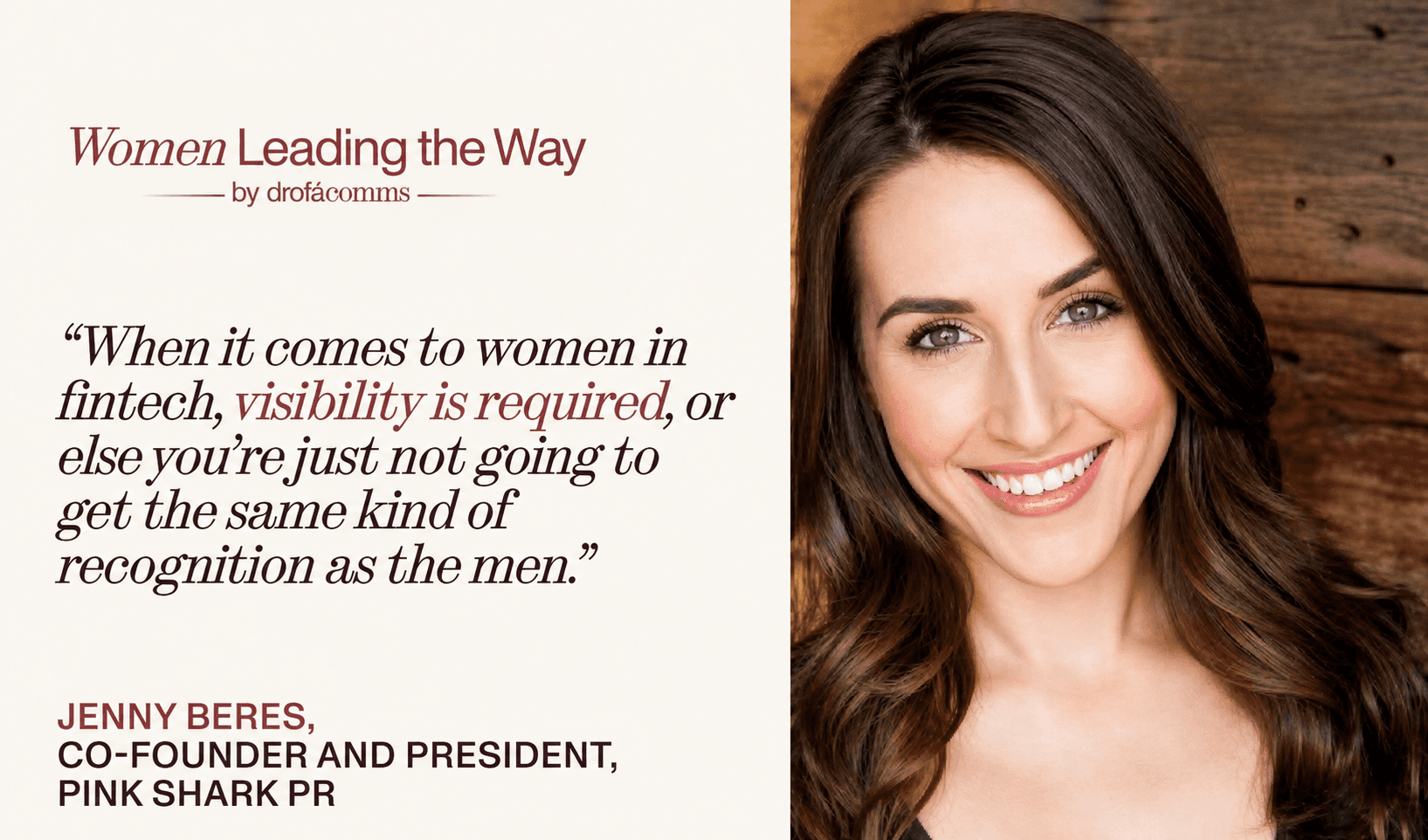
According to our respondents, the clearest (and kind of rough) insight from industry experience is that visibility in fintech is now a necessary condition for career growth, whether one likes it or not. Jenny Beres, Co-Founder and President of Pink Shark PR, puts it bluntly: “Visibility is required, or else you’re just not going to get the same kind of buzz as the men.”
She points out that in fast-moving environments, recognition rarely comes with the results themselves. Decisions about promotions are often made under tight time constraints and based on partial information. That’s why the really “visible” results are those that are actively communicated, and repeated, just to make sure others notice and remember them.
In Jenny’s experience, women are also much more hesitant to promote themselves and talk openly about their achievements. She says that men tend to dig into the smallest details, which can highlight their importance, while women, even if they are “a triple Ivy League graduate with a well-funded startup,” are likely to pay attention to what they have not done yet. In her words, many women are still fighting with impostor syndrome.
What Actually Makes Impact Visible
Since we’ve established that visibility is essential for career advancement, the next question is how to build it. What can help one become more visible? For Aubrey Amatelli, Founder and CEO of PayRio, the answer lies in being deliberate about work communication.
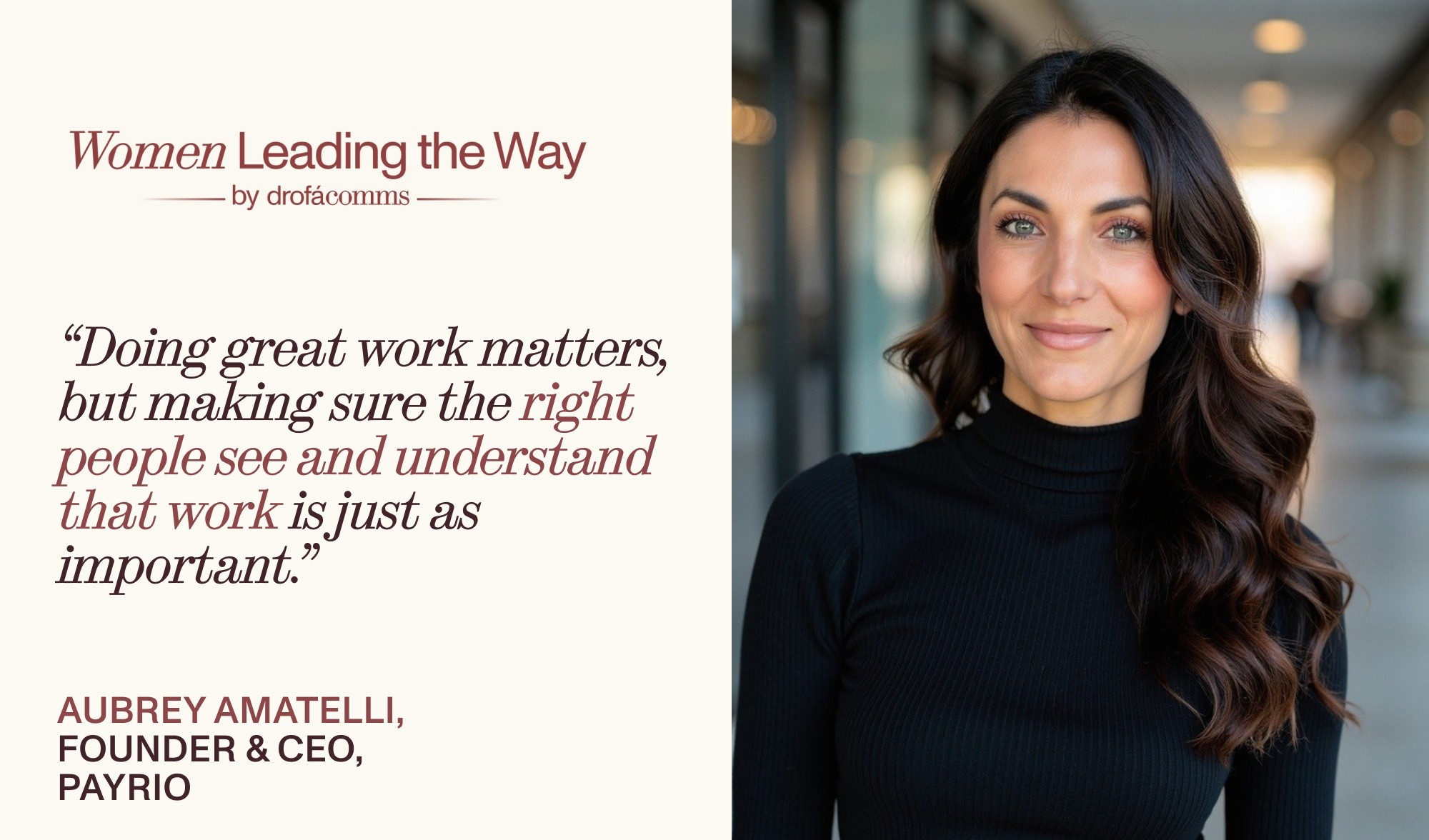
“Doing great work matters, but making sure the right people see and understand that work is just as important,” she explains.
The thing is, a person’s work can remain visible only to a small team, even if it’s something crucial, without which things may fall apart. Showcasing your achievements in such circumstances is harder, and that’s why more active communication is needed here. As Aubrey suggests, visibility depends on whether others — especially decision-makers — can clearly see how your contributions measurably fit into larger business outcomes.
That makes it necessary to constantly highlight your results and share them with others. Aubrey states that it is important not to stop at one or two cases when presenting your results, and that it is much better to maintain consistency. This regular, ongoing effort will make your part in team victories visible so that senior leadership may notice it.
That said, it does not mean you should dominate every conversation and get everyone’s attention with every word you speak. That’s where the balance should be struck. Meaningful visibility is more about precision and ensuring that your inputs are understood and your results are clear and measurable.
It may sound hard, but the good thing, Jenny says, is that today there are plenty of fintech media and communities that highlight women’s accomplishments, so finding people to share your achievements with is much easier than even a few years ago.
How to Close the Visibility Gap
Since visibility is created through people-to-people interactions, closing this gap is deeply and directly tied to one's communication skills — that’s the opinion of Karol Ward, a communication expert and psychotherapist.
In her eyes, poor communication creates unnecessary conflict and misunderstandings. This, in turn, impedes the execution of projects, negatively affecting team cohesion and the retention of good people. But by the same token, the ability to coherently express one’s opinions and ideas to clients, colleagues, and team members is essential for career advancement.
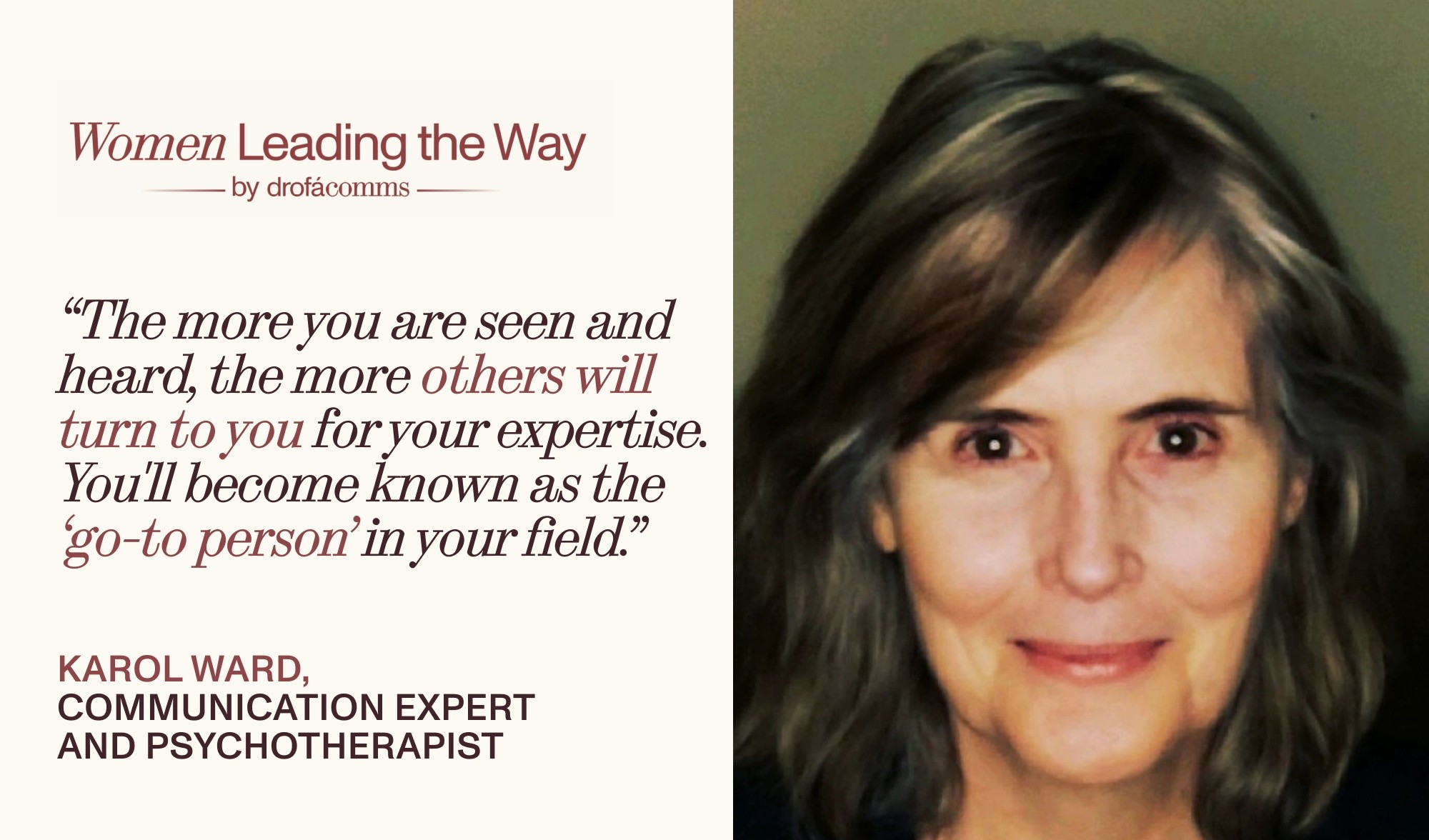
“Learning how to navigate workplace conversations empowers women in fintech to communicate what they are currently achieving and what they want to achieve in the future,” Karol explains.
Her stance is that communication skills are developed through constant practice and feedback. At the beginning, it may not feel easy to put yourself out there, but with time, that hesitation will pass. Every time you defend your idea and promote your results, you accumulate valuable experience.
Conclusion
The existence of the visibility gap shows that there is a clear mismatch between contribution and recognition in the industry. Many women still find it hard to speak openly and confidently about their results, which is why their achievements are not praised enough. That makes it all the more important to build professional networks and communities to help women share their accomplishments and find others to discuss them with.
At the same time, the solution cannot rest entirely on individuals adapting to the existing norms — the industry's structure itself plays a key role in how visibility is shaped. It determines who is invited to all the important meetings and whose work is spoken of on the leadership level. Without more streamlined and transparent ways to assess people’s performance, this gap will persist.
As one of the most dynamic sectors, fintech has a real opportunity to reshape the views on leadership and impact. But bringing a tangible shift here requires changing the current promotion mechanisms — so that everyone’s contributions become visible and valued equally.
Acknowledgements: Drofa Comms is thankful to Jenny Beres, Aubrey Amatelli, and Karol Ward for lending their expertise to this Women Leading the Way article.
In our recent material, we questioned the assumption that the finance industry is built on meritocracy and whether it’s truly only skills and expertise that determine a person’s success. In reality, the picture is much more complex. Many studies show that women often face unequal access to opportunities, visibility, and sponsorship long before their performance is even evaluated.
In light of this, a more specific question arises: if access to opportunity depends on visibility, then what determines visibility itself? Despite years of progress, women still remain underrepresented at senior levels. They hold roughly one-third of leadership roles globally, and, what is more uncomfortable, the largest drop-offs occur at the early stages of the career ladder.
As part of the Women Leading the Way initiative, the Drofa Comms team asked senior finance professionals about the influence of visibility on leadership and the steps that can be taken to close the recognition gap.
Why Visibility is Critical for Career Growth
According to our respondents, the clearest (and kind of rough) insight from industry experience is that visibility in fintech is now a necessary condition for career growth, whether one likes it or not. Jenny Beres, Co-Founder and President of Pink Shark PR, puts it bluntly: “Visibility is required, or else you’re just not going to get the same kind of buzz as the men.”
She points out that in fast-moving environments, recognition rarely comes with the results themselves. Decisions about promotions are often made under tight time constraints and based on partial information. That’s why the really “visible” results are those that are actively communicated, and repeated, just to make sure others notice and remember them.
In Jenny’s experience, women are also much more hesitant to promote themselves and talk openly about their achievements. She says that men tend to dig into the smallest details, which can highlight their importance, while women, even if they are “a triple Ivy League graduate with a well-funded startup,” are likely to pay attention to what they have not done yet. In her words, many women are still fighting with impostor syndrome.
What Actually Makes Impact Visible
Since we’ve established that visibility is essential for career advancement, the next question is how to build it. What can help one become more visible? For Aubrey Amatelli, Founder and CEO of PayRio, the answer lies in being deliberate about work communication.
“Doing great work matters, but making sure the right people see and understand that work is just as important,” she explains.
The thing is, a person’s work can remain visible only to a small team, even if it’s something crucial, without which things may fall apart. Showcasing your achievements in such circumstances is harder, and that’s why more active communication is needed here. As Aubrey suggests, visibility depends on whether others — especially decision-makers — can clearly see how your contributions measurably fit into larger business outcomes.
That makes it necessary to constantly highlight your results and share them with others. Aubrey states that it is important not to stop at one or two cases when presenting your results, and that it is much better to maintain consistency. This regular, ongoing effort will make your part in team victories visible so that senior leadership may notice it.
That said, it does not mean you should dominate every conversation and get everyone’s attention with every word you speak. That’s where the balance should be struck. Meaningful visibility is more about precision and ensuring that your inputs are understood and your results are clear and measurable.
It may sound hard, but the good thing, Jenny says, is that today there are plenty of fintech media and communities that highlight women’s accomplishments, so finding people to share your achievements with is much easier than even a few years ago.
How to Close the Visibility Gap
Since visibility is created through people-to-people interactions, closing this gap is deeply and directly tied to one's communication skills — that’s the opinion of Karol Ward, a communication expert and psychotherapist.
In her eyes, poor communication creates unnecessary conflict and misunderstandings. This, in turn, impedes the execution of projects, negatively affecting team cohesion and the retention of good people. But by the same token, the ability to coherently express one’s opinions and ideas to clients, colleagues, and team members is essential for career advancement.
“Learning how to navigate workplace conversations empowers women in fintech to communicate what they are currently achieving and what they want to achieve in the future,” Karol explains.
Her stance is that communication skills are developed through constant practice and feedback. At the beginning, it may not feel easy to put yourself out there, but with time, that hesitation will pass. Every time you defend your idea and promote your results, you accumulate valuable experience.
Conclusion
The existence of the visibility gap shows that there is a clear mismatch between contribution and recognition in the industry. Many women still find it hard to speak openly and confidently about their results, which is why their achievements are not praised enough. That makes it all the more important to build professional networks and communities to help women share their accomplishments and find others to discuss them with.
At the same time, the solution cannot rest entirely on individuals adapting to the existing norms — the industry's structure itself plays a key role in how visibility is shaped. It determines who is invited to all the important meetings and whose work is spoken of on the leadership level. Without more streamlined and transparent ways to assess people’s performance, this gap will persist.
As one of the most dynamic sectors, fintech has a real opportunity to reshape the views on leadership and impact. But bringing a tangible shift here requires changing the current promotion mechanisms — so that everyone’s contributions become visible and valued equally.
Acknowledgements: Drofa Comms is thankful to Jenny Beres, Aubrey Amatelli, and Karol Ward for lending their expertise to this Women Leading the Way article.
London office
Rise, created by Barclays, 41 Luke St, London EC2A 4DP
Nicosia office
2043, Nikokreontos 29, office 202
DP FINANCE COMM LTD (#13523955) Registered Address: N1 7GU, 20-22 Wenlock Road, London, United Kingdom For Operations In The UK
AGAFIYA CONSULTING LTD (#HE 380737) Registered Address: 2043, Nikokreontos 29, Flat 202, Strovolos, Cyprus For Operations In The EU, LATAM, United Stated Of America And Provision Of Services Worldwide
Drofa © 2024
London office
Rise, created by Barclays, 41 Luke St, London EC2A 4DP
Nicosia office
2043, Nikokreontos 29, office 202
DP FINANCE COMM LTD (#13523955) Registered Address: N1 7GU, 20-22 Wenlock Road, London, United Kingdom For Operations In The UK
AGAFIYA CONSULTING LTD (#HE 380737) Registered Address: 2043, Nikokreontos 29, Flat 202, Strovolos, Cyprus For Operations In The EU, LATAM, United Stated Of America And Provision Of Services Worldwide
Drofa © 2024
