NEWS
NEWS
Building an Inclusive Workplace: How Companies Can Move Beyond Representation
Building an Inclusive Workplace: How Companies Can Move Beyond Representation

Today, many firms are moving toward greater representation, setting hiring targets and reporting demographic breakdowns to their boards. In the last year, 84% of companies said that building an inclusive culture was their highest priority. It looks like inclusion has never mattered more. Or at least, it does so on paper.
Yet the day-to-day experiences often tell a different story, and among the youngest generation of workers, only two in ten say their managers are actually building a diverse workplace. It turns out that formal representation is the easy part to measure and share, but companies rarely go further and change what is actually happening after people are hired. Even if the representation is high in numbers, different people may not all be heard or promoted in the same way.
To find out how actual diversity may be achieved, the Drofa Comms team asked women who lead this work in practice.
Inclusion Is Everyday Work
Across industries, measuring representation by headcount has become the standard because, in a way, it’s the simplest method of showing formal equality in hiring and sharing the progress achieved with the media and corporate boards.
But for Joanna Ghosh, Senior Partner at Lawyers for Justice, P.C., a truly inclusive workplace can’t be shown through numbers alone. In her eyes, the actually important part is whether people believe that they will be treated fairly when something goes wrong.
"An inclusive workplace is one where policies are applied consistently, managers are trained to recognise bias, complaints are taken seriously, and employees believe they will be heard without jeopardising their careers," Joanna believes.
As an employment attorney, she says she’s seen many times that organisations with diverse workforces still fail to provide a feeling of protection for their employees.
That protection is the real foundation of an inclusive workplace, but it is fragile and can be easily broken in small, everyday moments. Data shows that employees in the least psychologically safe environments are roughly four times more likely to say they will quit within a year than those in the safest ones.
For this reason, Joanna warns against treating inclusion as simply a programme or a series of one-time initiatives. Annual campaigns and training events have their value, but she argues that they are not a replacement for ongoing, daily effort to make your workplace better.
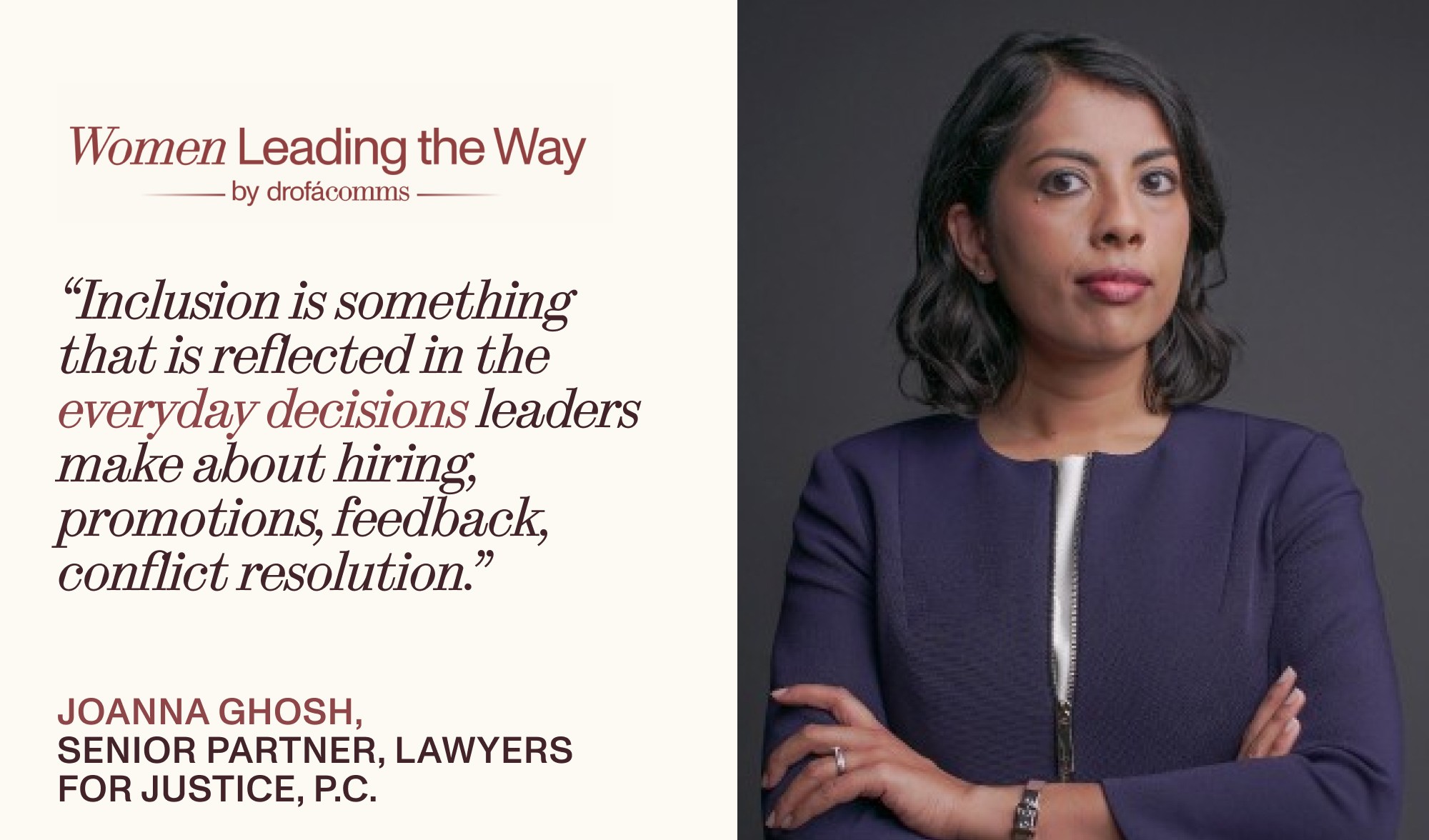
"Inclusion is reflected in the everyday decisions leaders make about hiring, promotions, feedback, conflict resolution, and accountability,” she says. Employees pay close attention to those decisions, and they can easily notice the gap between what a company might celebrate once a year and how it behaves on an ordinary Tuesday.
Can Diversity Be Measured by Feelings?
It’s one thing to understand what inclusion actually means, but checking whether your company really has it is a completely different matter. Rosalind Cohen, PhD, SPHR, and the Founder of Socius Strategies, says that inclusion is really about feelings, and feelings can’t be put on a spreadsheet.
"Trust is what makes a workspace inclusive," Rosalind believes. Companies should pursue a culture where people feel valued for their unique perspectives and connected to the overall mission, and that is not something that ever shows up in headcounts. What’s worse, in her opinion, is that leaders are often the last to know when it is missing: while 84% of executives genuinely believe they are building an inclusive environment, less than half of employees feel the same. This is a striking gap in perception.
Closing that gap means putting in consistent work every day. Companies need to conduct focus groups, have honest conversations, and collect anonymous surveys that ask people how they actually experience things.
Much like Joanna, Rosalind is of the opinion that one-time workshops are actually overrated when it comes to building diversity. “Culture is what you demonstrate every single day, not what you say you value,” she says. Even employee resource groups, which she generally supports, have been known to stall when organisations treat them as a way to simply outsource the problem.
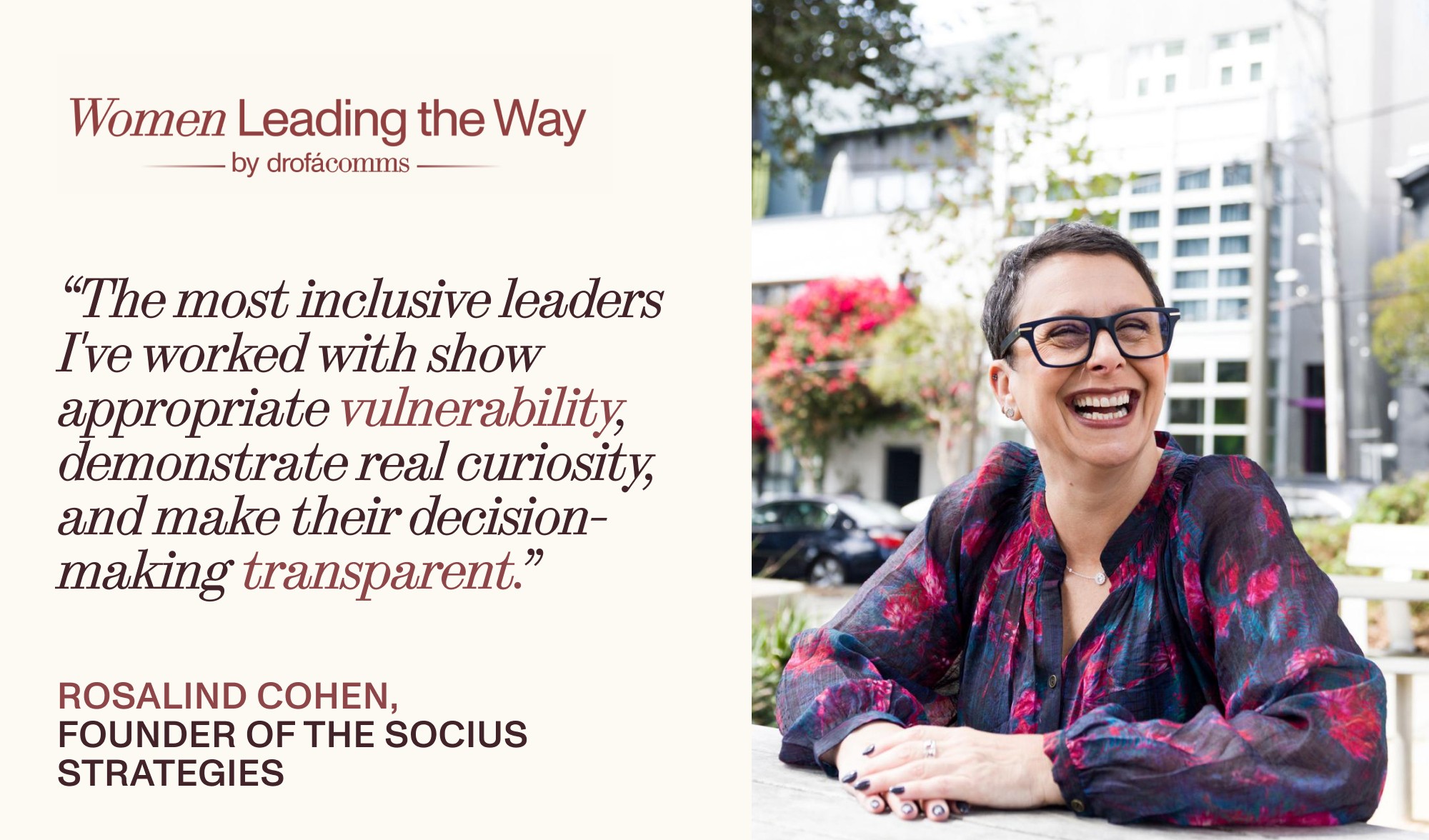
Meanwhile, the most underrated force for inclusion, according to her, is leaders who model connection themselves. "The most inclusive leaders I've worked with show appropriate vulnerability, demonstrate real curiosity, and make their decision-making transparent," Rosalind points out. Their behaviour brings about change in ways no programme can replicate.
Inclusion as the Absence of Friction
Given everything said above, measuring diversity and inclusion is not a straightforward task. However, Janet M. Stovall, Principal and Founder of Pragmatic Diversity, argues that there is one thing that can be quantified. She defines inclusion as the absence of systemic friction, which, unlike a feeling, does leave a trail and measurable evidence.
In order to track that evidence, Janet advises monitoring how talent actually moves through an organisation, depending on their gender. "Track how much friction a woman encounters to get an idea implemented compared to a man, and whether her insights are used in the core business or sidelined," she says. “When you track each person's ability to contribute their full potential without structural interference, you see the true state of the workplace."
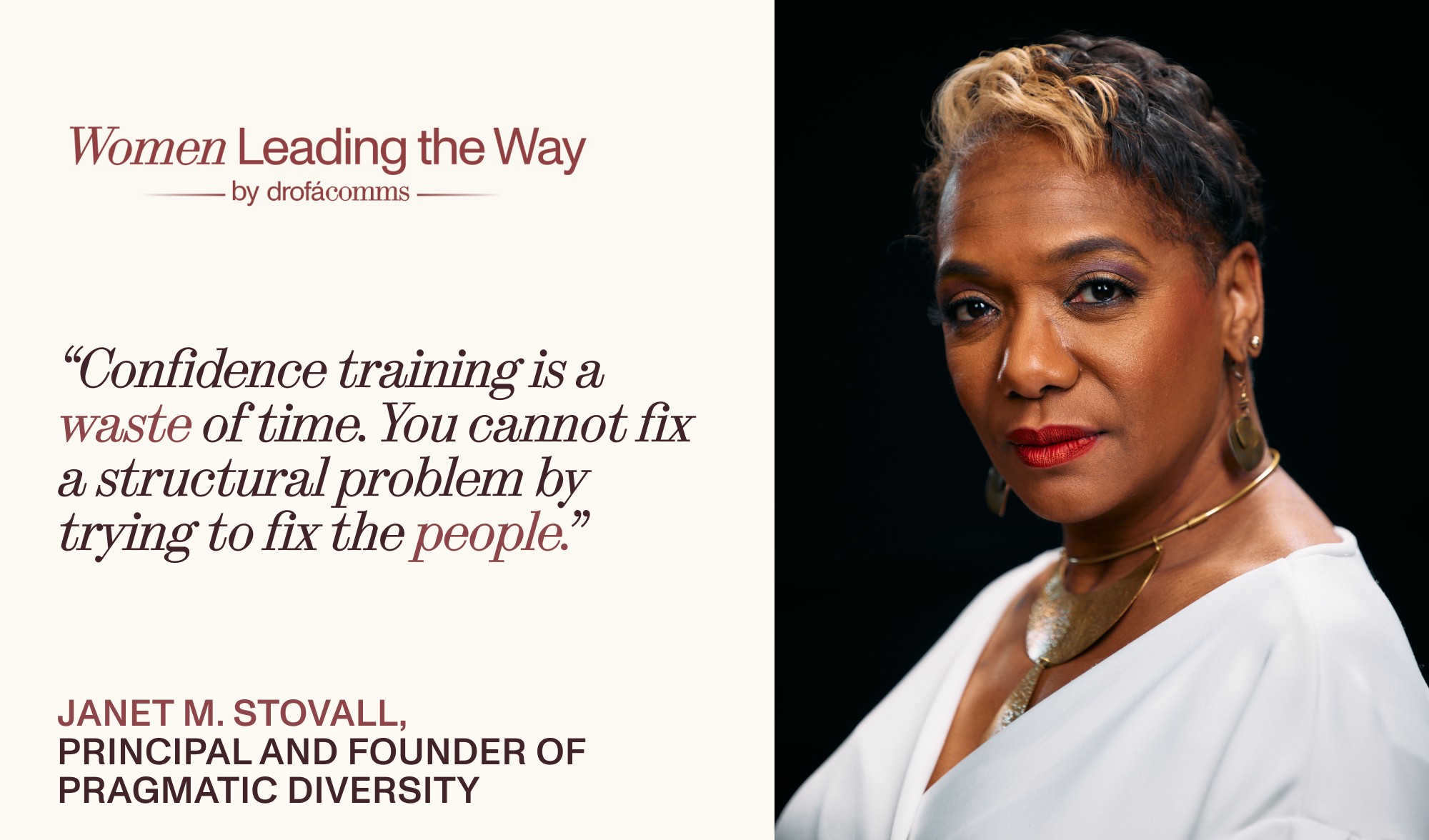
That’s why, in Janet’s eyes, providing confidence training to women is, in fact, a waste of time in ways that a lot of people might not consider. "We have spent decades telling women to lean in or be more assertive, as if their underrepresentation is their own fault. But a structural problem can’t be fixed by trying to fix the people," she says.
What works instead is systemic accountability and treating inclusion as a core business competency. Fewer “good intentions,” more real problems, real numbers and real consequences. Things like radical pay transparency and promotions being audited for biases are a good place to start, according to her. "Fix the workplace so women can lead" — that’s the core of her thinking.
Conclusion
All experts appear to agree on the most important thing: representation tells you who is in the room, but it says nothing about whether those people are actually free to act and make contributions as they desire. Whether inclusion can be measured by numbers or not, it can be achieved in earnest only through persistence and genuine openness to other ideas.
The actual measure of an inclusive workplace is the amount of friction it is willing to remove for people both in day-to-day work and on their career journey as a whole. Every meeting and promotion decision adds up to building a place where people may feel protected and valued for what they bring to the table.
Acknowledgements: Drofa Comms is thankful to Joanna Ghosh, Rosalind Cohen, and Janet M. Stovall for lending their expertise to this Women Leading the Way article.
Today, many firms are moving toward greater representation, setting hiring targets and reporting demographic breakdowns to their boards. In the last year, 84% of companies said that building an inclusive culture was their highest priority. It looks like inclusion has never mattered more. Or at least, it does so on paper.
Yet the day-to-day experiences often tell a different story, and among the youngest generation of workers, only two in ten say their managers are actually building a diverse workplace. It turns out that formal representation is the easy part to measure and share, but companies rarely go further and change what is actually happening after people are hired. Even if the representation is high in numbers, different people may not all be heard or promoted in the same way.
To find out how actual diversity may be achieved, the Drofa Comms team asked women who lead this work in practice.
Inclusion Is Everyday Work
Across industries, measuring representation by headcount has become the standard because, in a way, it’s the simplest method of showing formal equality in hiring and sharing the progress achieved with the media and corporate boards.
But for Joanna Ghosh, Senior Partner at Lawyers for Justice, P.C., a truly inclusive workplace can’t be shown through numbers alone. In her eyes, the actually important part is whether people believe that they will be treated fairly when something goes wrong.
"An inclusive workplace is one where policies are applied consistently, managers are trained to recognise bias, complaints are taken seriously, and employees believe they will be heard without jeopardising their careers," Joanna believes.
As an employment attorney, she says she’s seen many times that organisations with diverse workforces still fail to provide a feeling of protection for their employees.
That protection is the real foundation of an inclusive workplace, but it is fragile and can be easily broken in small, everyday moments. Data shows that employees in the least psychologically safe environments are roughly four times more likely to say they will quit within a year than those in the safest ones.
For this reason, Joanna warns against treating inclusion as simply a programme or a series of one-time initiatives. Annual campaigns and training events have their value, but she argues that they are not a replacement for ongoing, daily effort to make your workplace better.
"Inclusion is reflected in the everyday decisions leaders make about hiring, promotions, feedback, conflict resolution, and accountability,” she says. Employees pay close attention to those decisions, and they can easily notice the gap between what a company might celebrate once a year and how it behaves on an ordinary Tuesday.
Can Diversity Be Measured by Feelings?
It’s one thing to understand what inclusion actually means, but checking whether your company really has it is a completely different matter. Rosalind Cohen, PhD, SPHR, and the Founder of Socius Strategies, says that inclusion is really about feelings, and feelings can’t be put on a spreadsheet.
"Trust is what makes a workspace inclusive," Rosalind believes. Companies should pursue a culture where people feel valued for their unique perspectives and connected to the overall mission, and that is not something that ever shows up in headcounts. What’s worse, in her opinion, is that leaders are often the last to know when it is missing: while 84% of executives genuinely believe they are building an inclusive environment, less than half of employees feel the same. This is a striking gap in perception.
Closing that gap means putting in consistent work every day. Companies need to conduct focus groups, have honest conversations, and collect anonymous surveys that ask people how they actually experience things.
Much like Joanna, Rosalind is of the opinion that one-time workshops are actually overrated when it comes to building diversity. “Culture is what you demonstrate every single day, not what you say you value,” she says. Even employee resource groups, which she generally supports, have been known to stall when organisations treat them as a way to simply outsource the problem.
Meanwhile, the most underrated force for inclusion, according to her, is leaders who model connection themselves. "The most inclusive leaders I've worked with show appropriate vulnerability, demonstrate real curiosity, and make their decision-making transparent," Rosalind points out. Their behaviour brings about change in ways no programme can replicate.
Inclusion as the Absence of Friction
Given everything said above, measuring diversity and inclusion is not a straightforward task. However, Janet M. Stovall, Principal and Founder of Pragmatic Diversity, argues that there is one thing that can be quantified. She defines inclusion as the absence of systemic friction, which, unlike a feeling, does leave a trail and measurable evidence.
In order to track that evidence, Janet advises monitoring how talent actually moves through an organisation, depending on their gender. "Track how much friction a woman encounters to get an idea implemented compared to a man, and whether her insights are used in the core business or sidelined," she says. “When you track each person's ability to contribute their full potential without structural interference, you see the true state of the workplace."
That’s why, in Janet’s eyes, providing confidence training to women is, in fact, a waste of time in ways that a lot of people might not consider. "We have spent decades telling women to lean in or be more assertive, as if their underrepresentation is their own fault. But a structural problem can’t be fixed by trying to fix the people," she says.
What works instead is systemic accountability and treating inclusion as a core business competency. Fewer “good intentions,” more real problems, real numbers and real consequences. Things like radical pay transparency and promotions being audited for biases are a good place to start, according to her. "Fix the workplace so women can lead" — that’s the core of her thinking.
Conclusion
All experts appear to agree on the most important thing: representation tells you who is in the room, but it says nothing about whether those people are actually free to act and make contributions as they desire. Whether inclusion can be measured by numbers or not, it can be achieved in earnest only through persistence and genuine openness to other ideas.
The actual measure of an inclusive workplace is the amount of friction it is willing to remove for people both in day-to-day work and on their career journey as a whole. Every meeting and promotion decision adds up to building a place where people may feel protected and valued for what they bring to the table.
Acknowledgements: Drofa Comms is thankful to Joanna Ghosh, Rosalind Cohen, and Janet M. Stovall for lending their expertise to this Women Leading the Way article.
London office
Rise, created by Barclays, 41 Luke St, London EC2A 4DP
Nicosia office
2043, Nikokreontos 29, office 202
DP FINANCE COMM LTD (#13523955) Registered Address: N1 7GU, 20-22 Wenlock Road, London, United Kingdom For Operations In The UK
AGAFIYA CONSULTING LTD (#HE 380737) Registered Address: 2043, Nikokreontos 29, Flat 202, Strovolos, Cyprus For Operations In The EU, LATAM, United Stated Of America And Provision Of Services Worldwide
Drofa © 2024
London office
Rise, created by Barclays, 41 Luke St, London EC2A 4DP
Nicosia office
2043, Nikokreontos 29, office 202
DP FINANCE COMM LTD (#13523955) Registered Address: N1 7GU, 20-22 Wenlock Road, London, United Kingdom For Operations In The UK
AGAFIYA CONSULTING LTD (#HE 380737) Registered Address: 2043, Nikokreontos 29, Flat 202, Strovolos, Cyprus For Operations In The EU, LATAM, United Stated Of America And Provision Of Services Worldwide
Drofa © 2024
