NEWS
NEWS
Communication and Clarity: How Do Women Excel in Financial Crisis Management?
Communication and Clarity: How Do Women Excel in Financial Crisis Management?

It is widely considered that winning in a crisis in the finance industry requires speed and boldness. Leadership under pressure is often framed as the ability to act quickly and make tough, decisive calls, which can be a hard but powerful thing. However, a growing body of research and practical, real-world experience suggests that this picture may be incomplete. In fact, in many cases, some of the most effective responses to crises come from those who managed to stay clear-headed and deliberate in their actions when others rushed too much.
Thus, one large meta-analysis shows that resilience, collaboration, and clarity in decision-making — something often referred to as transformational leadership — are much more important in a volatile environment, and those qualities are often exhibited by women leaders.
As part of the Women Leading the Way project, the Drofa Comms team spoke with senior professionals across finance and fintech about how leadership works in high-pressure environments. Their insights point out that in moments of uncertainty, leaders take the time to listen before taking action and communicate clearly, which reduces risk and prevents costly mistakes.
What a Crisis Actually Tests
When it comes to handling a crisis, Effie Bersoux, founder of GrowthGirls and an adjunct professor at NYU Stern, offers a perspective that differs from the traditional “quick-decisions” based approach. In her eyes, when everything seems to fall apart, it is much better to take a breath for a second and properly assess what’s happening. She states that in such situations, fast actions may reduce anxiety and make one feel in control, but in reality, they are much riskier.
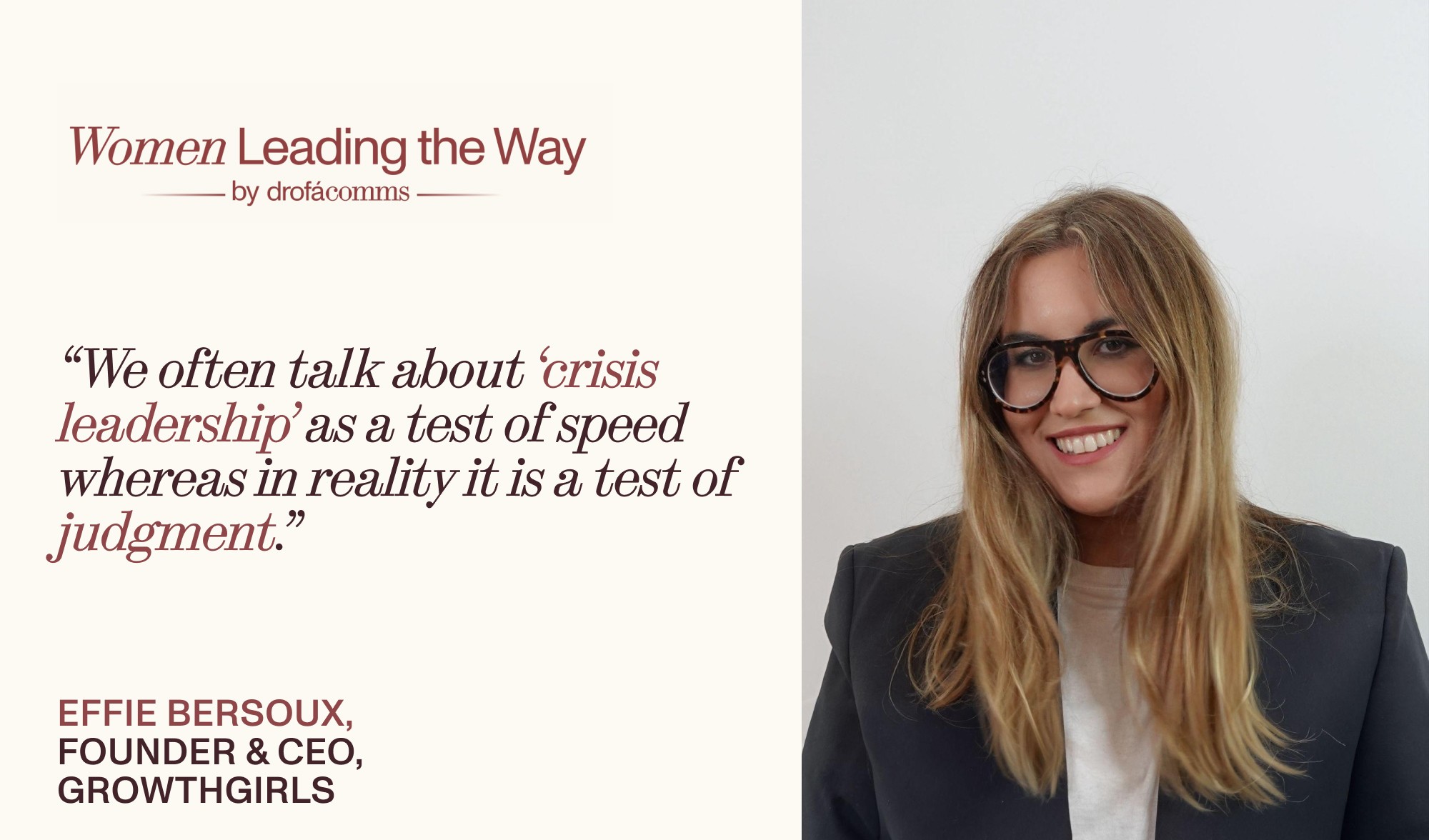
Effie points out that the focus on clarity often shows up in the way women leaders operate under pressure. Although, in her opinion, it would be an oversimplification to say that women do this because they are “naturally collaborative” or “more empathetic.” More accurately, it’s because they tend to resist the dangerous instinct to push forward and “appear” decisive before they actually understand the details.
“Strong leaders, many of whom I’ve seen are women, optimise for the second. They ask better questions before giving answers, they challenge the framing of the problem, and they create space for dissent when it’s most uncomfortable. And yes, that can feel slower in the moment, but it prevents the kind of confident, well-communicated mistakes that organisations spend months undoing,” is what Effie believes.
Her thoughts are similar to those of Dana Zellers, an executive and leadership coach who has spent over two decades working in high-pressure environments. In her practice, she often sees that rapid actions lead only to spending team energy on low-value tasks.
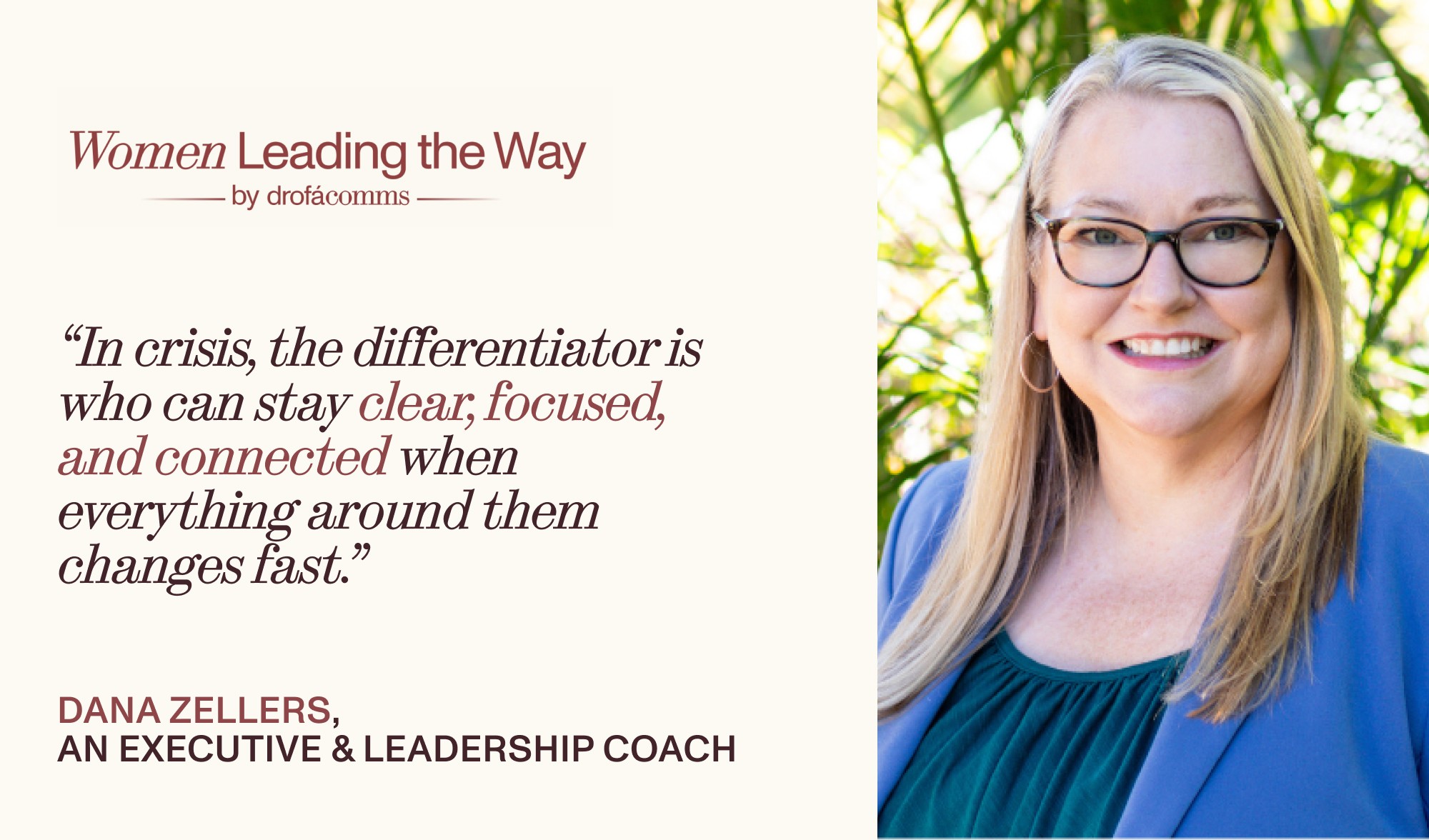
What’s more important, taking some time before acting allows them to prioritise tasks, as in a crisis environment, teams don’t need to dive into every assignment they see. Some may seem urgent, but an effective leader makes it clear what should be done first and what can wait. According to Dana, women are more likely to show those qualities. “Women leaders often stand out here because they tend to lead with a more integrated approach to decision-making and people dynamics,” she says.
The Importance of Communication
Another point to consider during a crisis is how you communicate. Many businesses may treat it as a secondary thing — something that simply comes after a decision. A way to explain what was done and why, and then move on.
However, what a crisis does is break down the established order, and communication becomes central to managing the resulting volatile environment. Teams may not be ready to act if there is no honest discussion of what happened and what actions need to be taken. Yet it is exactly at this point that many leaders can show their limits.
As Dana says, women tend to be more aware of relations within the team, and during crises, this helps coordinate work. Investing in trust helps teams act more efficiently, as they are less likely to resist decisions after receiving all the necessary context behind them. According to her, this kind of communication may be much more important for a leader than just technical expertise.
Sonia Dorais, CEO of Chaser, states the same from inside a fintech business. For her, the most decisive factor in a crisis is whether leaders can maintain clarity in team relationships. Teammates rarely need perfect answers when events are unfolding quickly, but they do require transparency and honesty in these moments. Teams are more likely to stay focused and act effectively when they understand the “why” behind certain decisions.
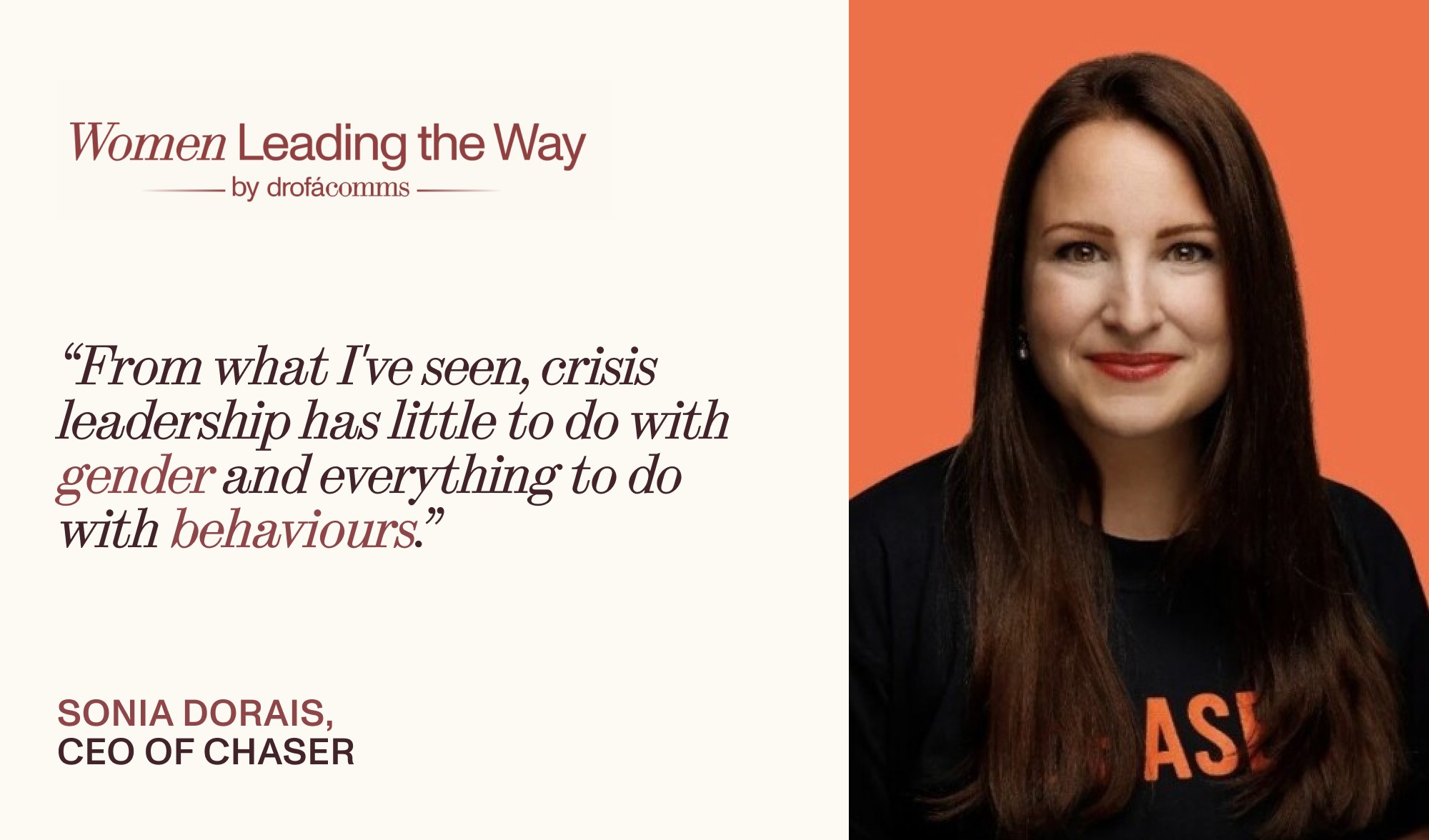
According to Sonia, these qualities are not really gendered, but women tend to use this approach more often. “Emotional awareness matters more than you might expect. Being able to read how people are reacting and adjust accordingly helps keep teams steady and focused,” says Sonia.
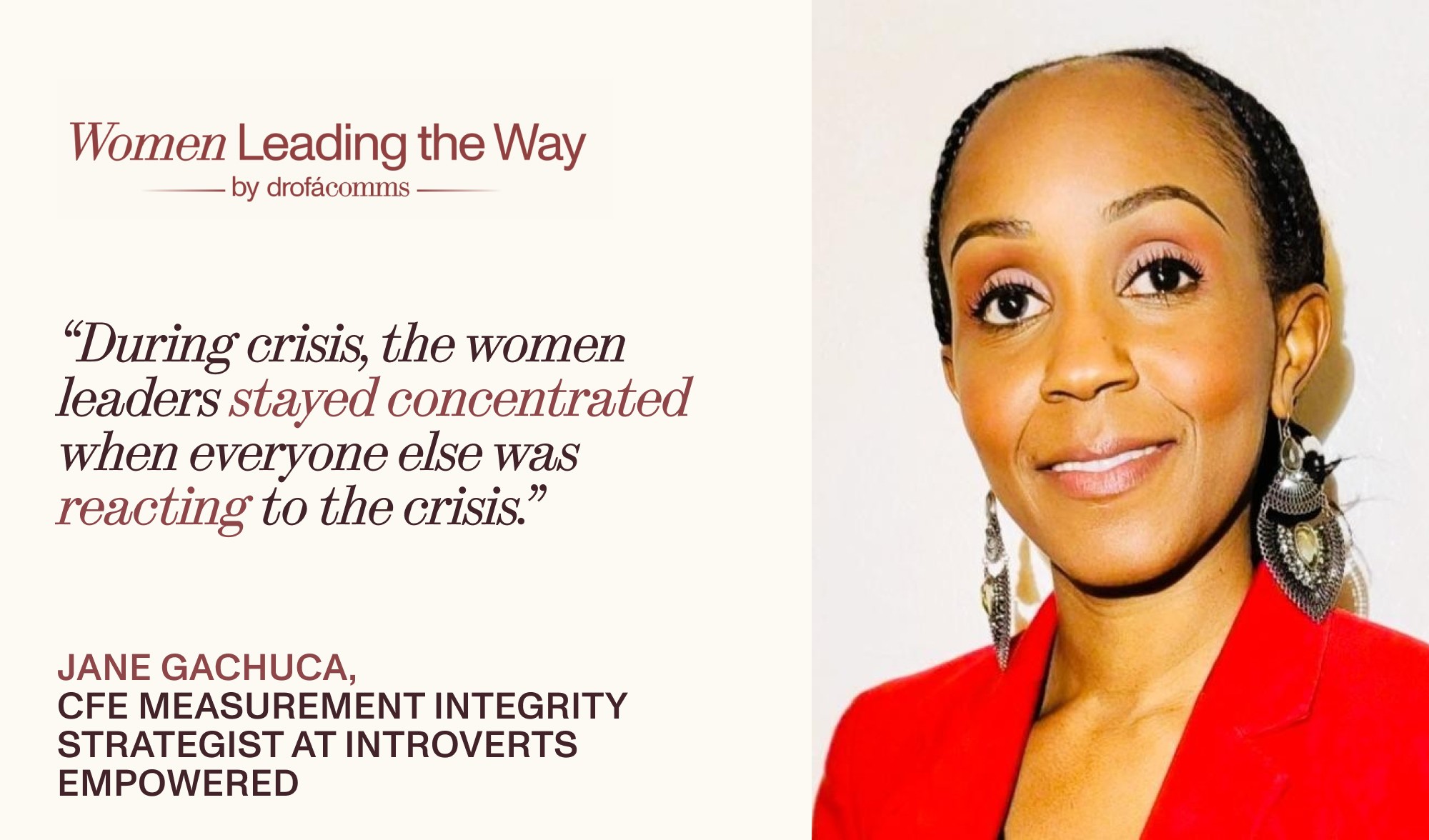
The same perspective is echoed by Jane Gachucha, Founder of Introverts Empowered. In her experience, female leaders are likely to stay calm, precise and focused during a crisis. As she mentioned, research shows that people tend to trust women more in times of uncertainty, and this advantage is definitely beneficial. “This trust is based on how women process pressure and guide teams through crises,” states Janes.
All of this shows that the focus on maintaining teams and taking everything important into account before acting makes women leaders more successful during crises. It also suggests that the framework of efficient leadership may be in need of reconsideration, but the major question is whether the industry is ready to take this step.
Conclusion
Crisis situations reveal how a company makes decisions and aligns people, and it is exactly in those moments that things may fall apart. Rushing into the storm and trying to settle everything before circumstances become clear only leads to taking more unnecessary risks.
Seen from this angle, many approaches often associated with female leaders may be better suited to navigating real uncertainty, as they reduce tensions in the team and make sure that the necessary actions are taken.
For women building careers, this means they have an opportunity to show their expertise during high-stress situations, and highlight the difference between performative and truly effective leadership.
Acknowledgements: Drofa Comms is thankful to Effie Bersoux, Dana Zellers, Sonia Dorais and Jane Gachucha for lending their expertise to this Women Leading the Way article.
It is widely considered that winning in a crisis in the finance industry requires speed and boldness. Leadership under pressure is often framed as the ability to act quickly and make tough, decisive calls, which can be a hard but powerful thing. However, a growing body of research and practical, real-world experience suggests that this picture may be incomplete. In fact, in many cases, some of the most effective responses to crises come from those who managed to stay clear-headed and deliberate in their actions when others rushed too much.
Thus, one large meta-analysis shows that resilience, collaboration, and clarity in decision-making — something often referred to as transformational leadership — are much more important in a volatile environment, and those qualities are often exhibited by women leaders.
As part of the Women Leading the Way project, the Drofa Comms team spoke with senior professionals across finance and fintech about how leadership works in high-pressure environments. Their insights point out that in moments of uncertainty, leaders take the time to listen before taking action and communicate clearly, which reduces risk and prevents costly mistakes.
What a Crisis Actually Tests
When it comes to handling a crisis, Effie Bersoux, founder of GrowthGirls and an adjunct professor at NYU Stern, offers a perspective that differs from the traditional “quick-decisions” based approach. In her eyes, when everything seems to fall apart, it is much better to take a breath for a second and properly assess what’s happening. She states that in such situations, fast actions may reduce anxiety and make one feel in control, but in reality, they are much riskier.
Effie points out that the focus on clarity often shows up in the way women leaders operate under pressure. Although, in her opinion, it would be an oversimplification to say that women do this because they are “naturally collaborative” or “more empathetic.” More accurately, it’s because they tend to resist the dangerous instinct to push forward and “appear” decisive before they actually understand the details.
“Strong leaders, many of whom I’ve seen are women, optimise for the second. They ask better questions before giving answers, they challenge the framing of the problem, and they create space for dissent when it’s most uncomfortable. And yes, that can feel slower in the moment, but it prevents the kind of confident, well-communicated mistakes that organisations spend months undoing,” is what Effie believes.
Her thoughts are similar to those of Dana Zellers, an executive and leadership coach who has spent over two decades working in high-pressure environments. In her practice, she often sees that rapid actions lead only to spending team energy on low-value tasks.
What’s more important, taking some time before acting allows them to prioritise tasks, as in a crisis environment, teams don’t need to dive into every assignment they see. Some may seem urgent, but an effective leader makes it clear what should be done first and what can wait. According to Dana, women are more likely to show those qualities. “Women leaders often stand out here because they tend to lead with a more integrated approach to decision-making and people dynamics,” she says.
The Importance of Communication
Another point to consider during a crisis is how you communicate. Many businesses may treat it as a secondary thing — something that simply comes after a decision. A way to explain what was done and why, and then move on.
However, what a crisis does is break down the established order, and communication becomes central to managing the resulting volatile environment. Teams may not be ready to act if there is no honest discussion of what happened and what actions need to be taken. Yet it is exactly at this point that many leaders can show their limits.
As Dana says, women tend to be more aware of relations within the team, and during crises, this helps coordinate work. Investing in trust helps teams act more efficiently, as they are less likely to resist decisions after receiving all the necessary context behind them. According to her, this kind of communication may be much more important for a leader than just technical expertise.
Sonia Dorais, CEO of Chaser, states the same from inside a fintech business. For her, the most decisive factor in a crisis is whether leaders can maintain clarity in team relationships. Teammates rarely need perfect answers when events are unfolding quickly, but they do require transparency and honesty in these moments. Teams are more likely to stay focused and act effectively when they understand the “why” behind certain decisions.
According to Sonia, these qualities are not really gendered, but women tend to use this approach more often. “Emotional awareness matters more than you might expect. Being able to read how people are reacting and adjust accordingly helps keep teams steady and focused,” says Sonia.
The same perspective is echoed by Jane Gachucha, Founder of Introverts Empowered. In her experience, female leaders are likely to stay calm, precise and focused during a crisis. As she mentioned, research shows that people tend to trust women more in times of uncertainty, and this advantage is definitely beneficial. “This trust is based on how women process pressure and guide teams through crises,” states Janes.
All of this shows that the focus on maintaining teams and taking everything important into account before acting makes women leaders more successful during crises. It also suggests that the framework of efficient leadership may be in need of reconsideration, but the major question is whether the industry is ready to take this step.
Conclusion
Crisis situations reveal how a company makes decisions and aligns people, and it is exactly in those moments that things may fall apart. Rushing into the storm and trying to settle everything before circumstances become clear only leads to taking more unnecessary risks.
Seen from this angle, many approaches often associated with female leaders may be better suited to navigating real uncertainty, as they reduce tensions in the team and make sure that the necessary actions are taken.
For women building careers, this means they have an opportunity to show their expertise during high-stress situations, and highlight the difference between performative and truly effective leadership.
Acknowledgements: Drofa Comms is thankful to Effie Bersoux, Dana Zellers, Sonia Dorais and Jane Gachucha for lending their expertise to this Women Leading the Way article.
London office
Rise, created by Barclays, 41 Luke St, London EC2A 4DP
Nicosia office
2043, Nikokreontos 29, office 202
DP FINANCE COMM LTD (#13523955) Registered Address: N1 7GU, 20-22 Wenlock Road, London, United Kingdom For Operations In The UK
AGAFIYA CONSULTING LTD (#HE 380737) Registered Address: 2043, Nikokreontos 29, Flat 202, Strovolos, Cyprus For Operations In The EU, LATAM, United Stated Of America And Provision Of Services Worldwide
Drofa © 2024
London office
Rise, created by Barclays, 41 Luke St, London EC2A 4DP
Nicosia office
2043, Nikokreontos 29, office 202
DP FINANCE COMM LTD (#13523955) Registered Address: N1 7GU, 20-22 Wenlock Road, London, United Kingdom For Operations In The UK
AGAFIYA CONSULTING LTD (#HE 380737) Registered Address: 2043, Nikokreontos 29, Flat 202, Strovolos, Cyprus For Operations In The EU, LATAM, United Stated Of America And Provision Of Services Worldwide
Drofa © 2024
