NEWS
NEWS
The Authority Gap: Why Female Expertise in Fintech Still Goes Unnoticed
The Authority Gap: Why Female Expertise in Fintech Still Goes Unnoticed
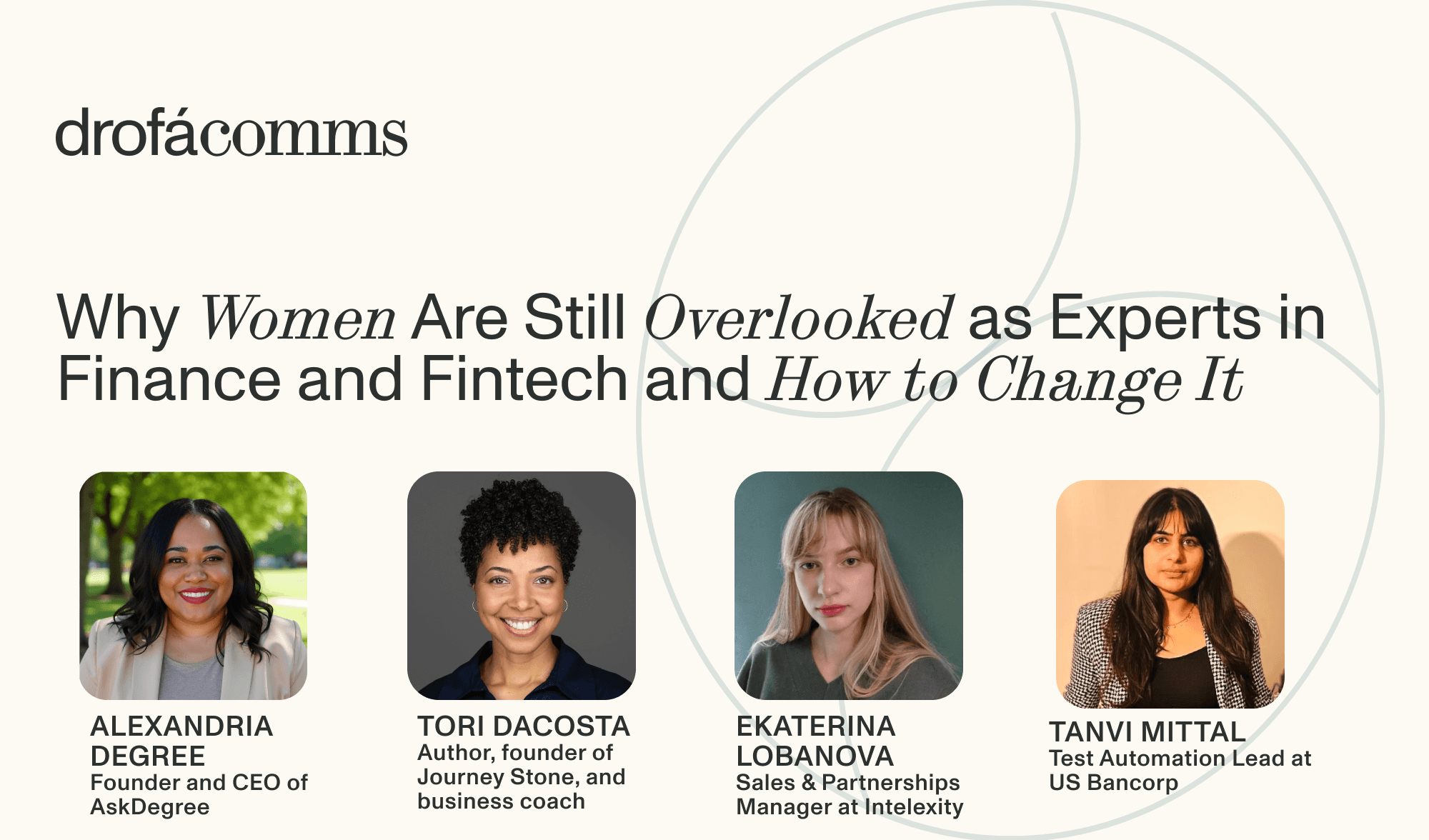
In the finance and fintech industries built around data, professional authority might seem especially merit-based. However, women leaders working in these sectors often describe a different reality.
Even when they hold senior roles, they still face additional barriers to being recognised as experts. Expertise is often perceived as something subjective for women, harder to earn compared to their male colleagues.
These “walls” are rarely clearly indicated. Instead, they appear through subtle social patterns and the way authority is perceived in professional environments.
To better understand why this gap persists, Drofa Comms spoke with women leaders and senior professionals in finance and fintech as part of the Women Leading the Way initiative. Their observations reveal how recognition gaps emerge, and what organisations can do to ensure that expertise, rather than perception, defines who is seen as a leader.
When Authority Is Recognised Before Expertise
One of the most common barriers is the way authority is subconsciously associated with masculinity.
According to Alexandria Degree, Founder and CEO of AskDegree, this pattern influences who gets trusted, quoted, or promoted, as the final voice in the room, often without people realising it.
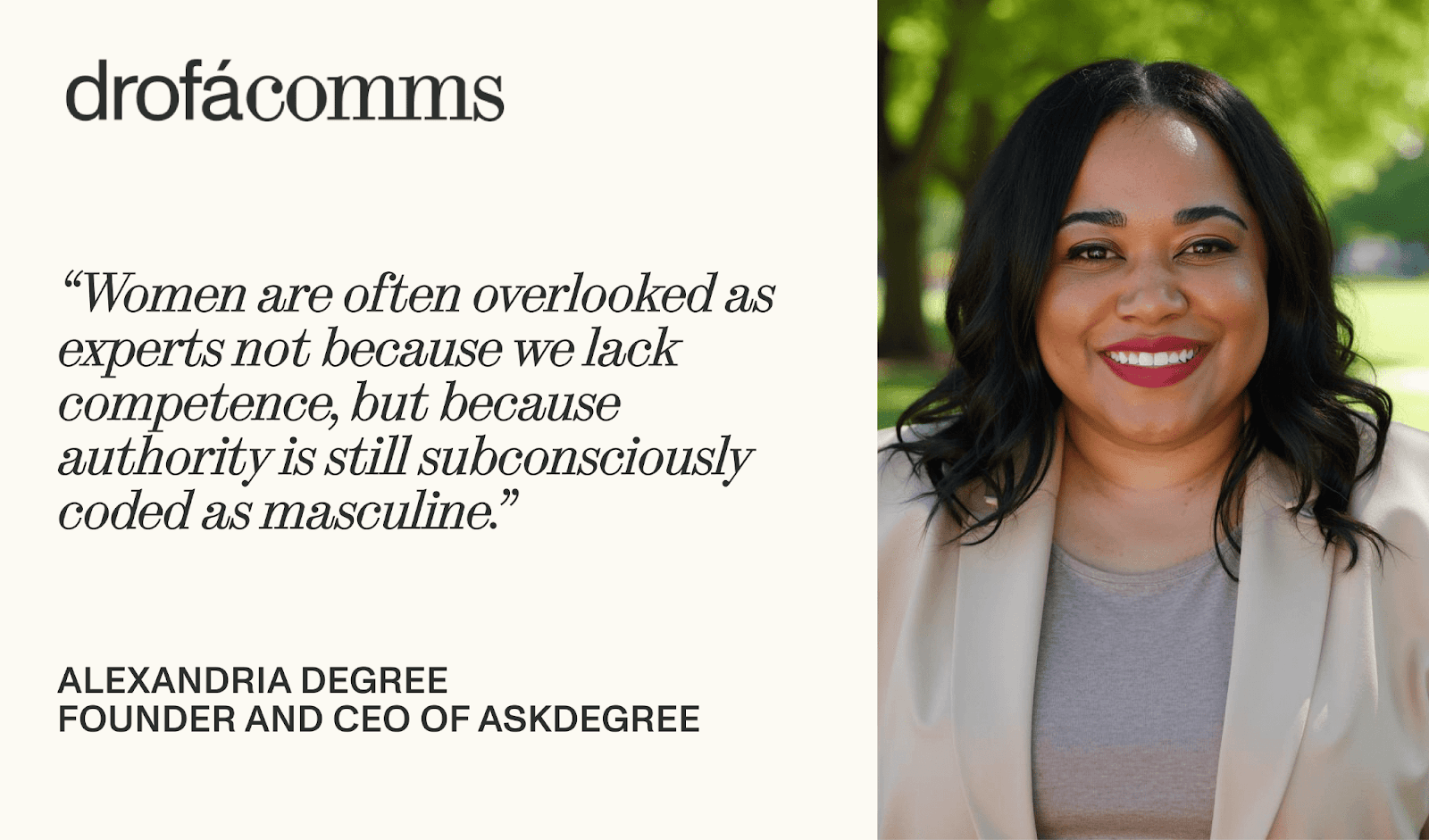
She notes that in many professional environments, assertive behaviour is interpreted differently depending on who demonstrates it. Confidence in men is frequently interpreted as leadership, while similar behaviour from women can be seen as overly aggressive or inappropriate.
As Degree noticed, this double standard created a subtle but powerful filter. “If a room does not value women’s voice, they redirect their efforts to the many other places where their leadership creates real impact.”
Alexandria Degree believes recognition will only change when organisations broaden their understanding of leadership styles.
Calm, analytical, collaborative decision-making must be valued alongside more traditionally dominant communication styles. Otherwise, in Degree’s opinion, entire categories of expertise risk remaining under-recognised.
The Invisible Work Problem
In fintech, especially, some of the most critical work happens behind the scenes. Preventing failures and maintaining operational stability rarely attracts public recognition. The thing is, success doesn’t only mean that nothing goes wrong.
Tanvi Mittal, Test Automation Lead at US Bancorp, says this dynamic often affects women disproportionately.
Throughout her career in fintech environments, managing systems responsible for billions of dollars in transactions, she has repeatedly seen how recognition gaps emerge.
When men confidently present ideas, their expertise is often assumed immediately, thinks Mittal. Women presenting the same ideas may be expected to prove their knowledge repeatedly before receiving similar credibility.
At the same time, Mittal notices that many women carry responsibility for risk prevention and operational stability — areas where strong performance tends to remain invisible. Women are frequently doing this work, yet it’s invisible because success looks like “nothing went wrong.”
She also notes another cultural challenge: “Many women feel pressure to be grateful just for being included. But inclusion should not be a favour. It should be the norm.”
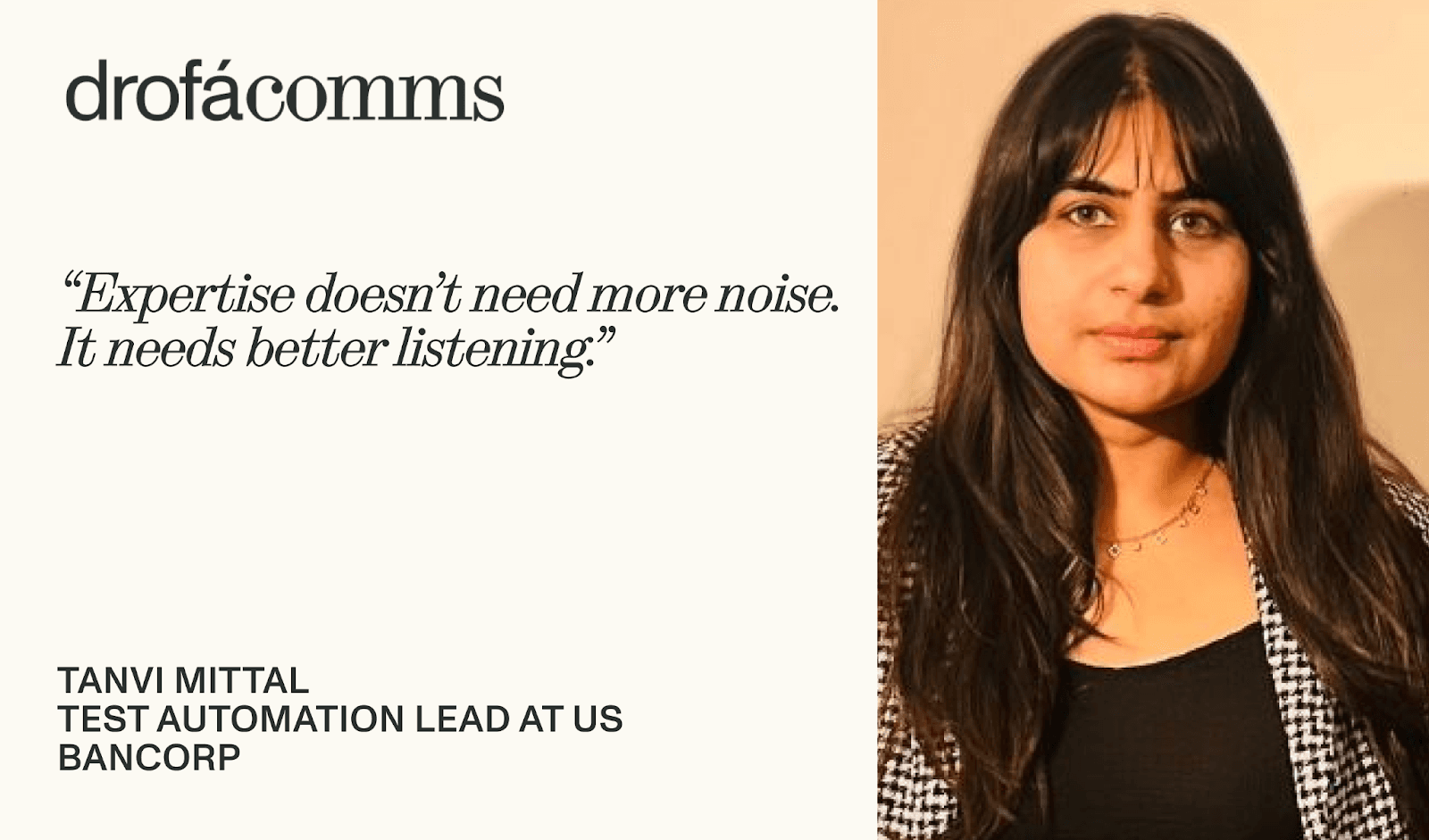
When participation itself is framed as a privilege, it subtly discourages women from claiming authority or being seen as equals in expert conversations.
Subtle Bias Still Shapes First Impressions
Sometimes the mechanisms behind this recognition gap are surprisingly small, but embedded very deeply.
Tori DaCosta, author, founder of Journey Stone, and business coach, recalls a moment early in her career that revealed how unconscious these patterns can be. During a business meeting nearly a decade ago, Tori DaCosta shared an observation: in professional settings, men often shake hands with other men before greeting women.
Curious whether this was a coincidence, her colleague and DaCosta tested the idea during the next meeting. When another male business leader arrived, he instinctively greeted the male colleague first.
For DaCosta, the moment illustrated something important. The behaviour was not necessarily intentional or disrespectful. It was simply habitual, the way we got raised in a society.
However, these small signals shape professional dynamics more than many organisations realise. Who gets introduced first, who is acknowledged during meetings, and whose opinion is requested can quietly reinforce assumptions about authority.
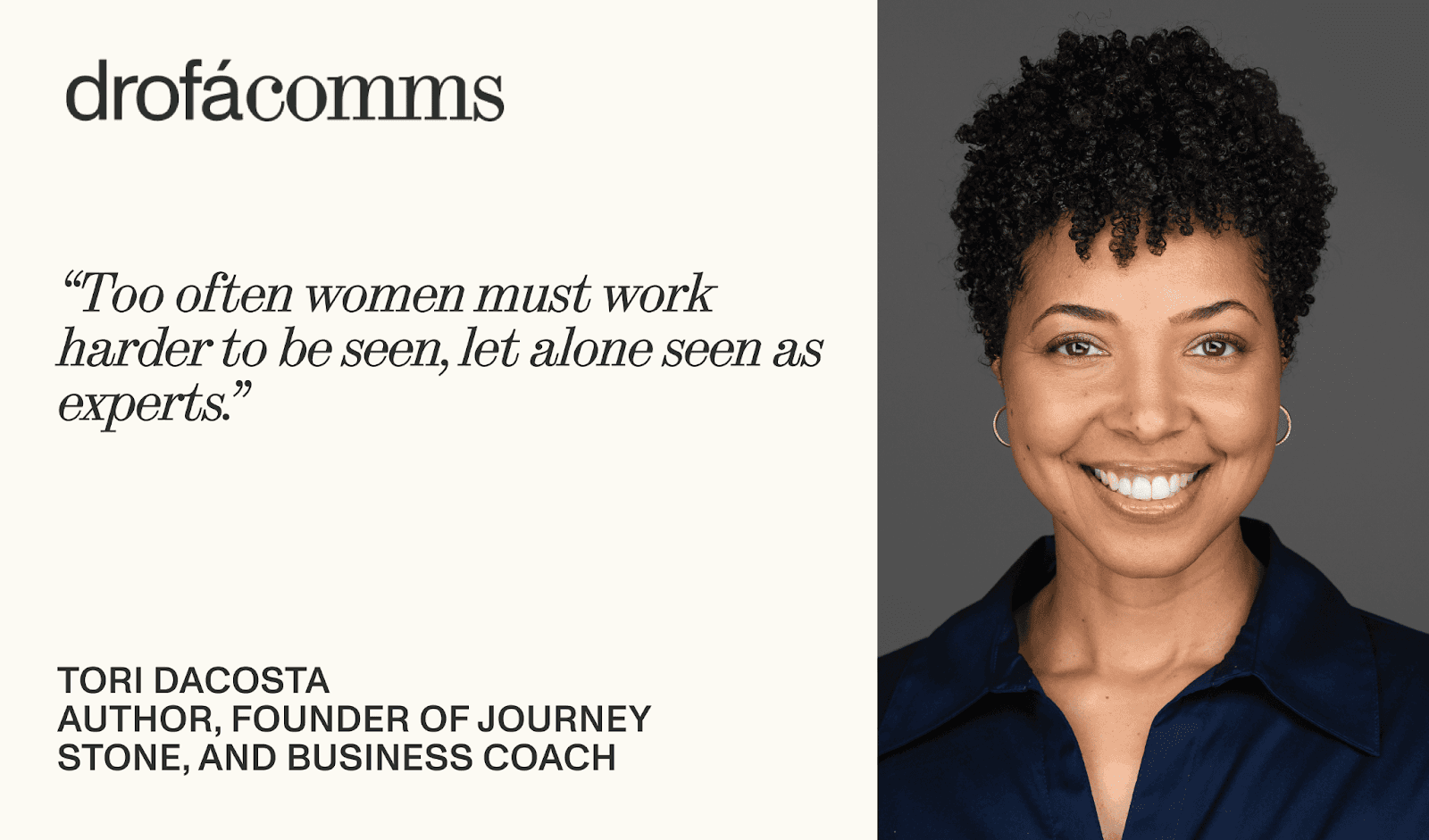
Over time, these moments accumulate, subtly reinforcing the perception that expertise is more likely to come from certain voices.
How can these cultural norms be changed? DaCosta thinks there should be intentional disruption of patterns — in introductions, in meetings, in the language we use, and in the leaders we elevate.
“When organisations cultivate cultures that promote high-performing women as experts and set a standard of equal respect, the biases don’t disappear overnight, but they become harder to ignore.”
Recognition Gaps in the Fintech Industry
The issue of recognising women as experts is also visible in industry statistics.
Ekaterina Lobanova, Sales & Partnerships Manager at Intelexity, observes that women already play a central role in fintech operations and negotiations, even if public recognition does not always reflect that reality.
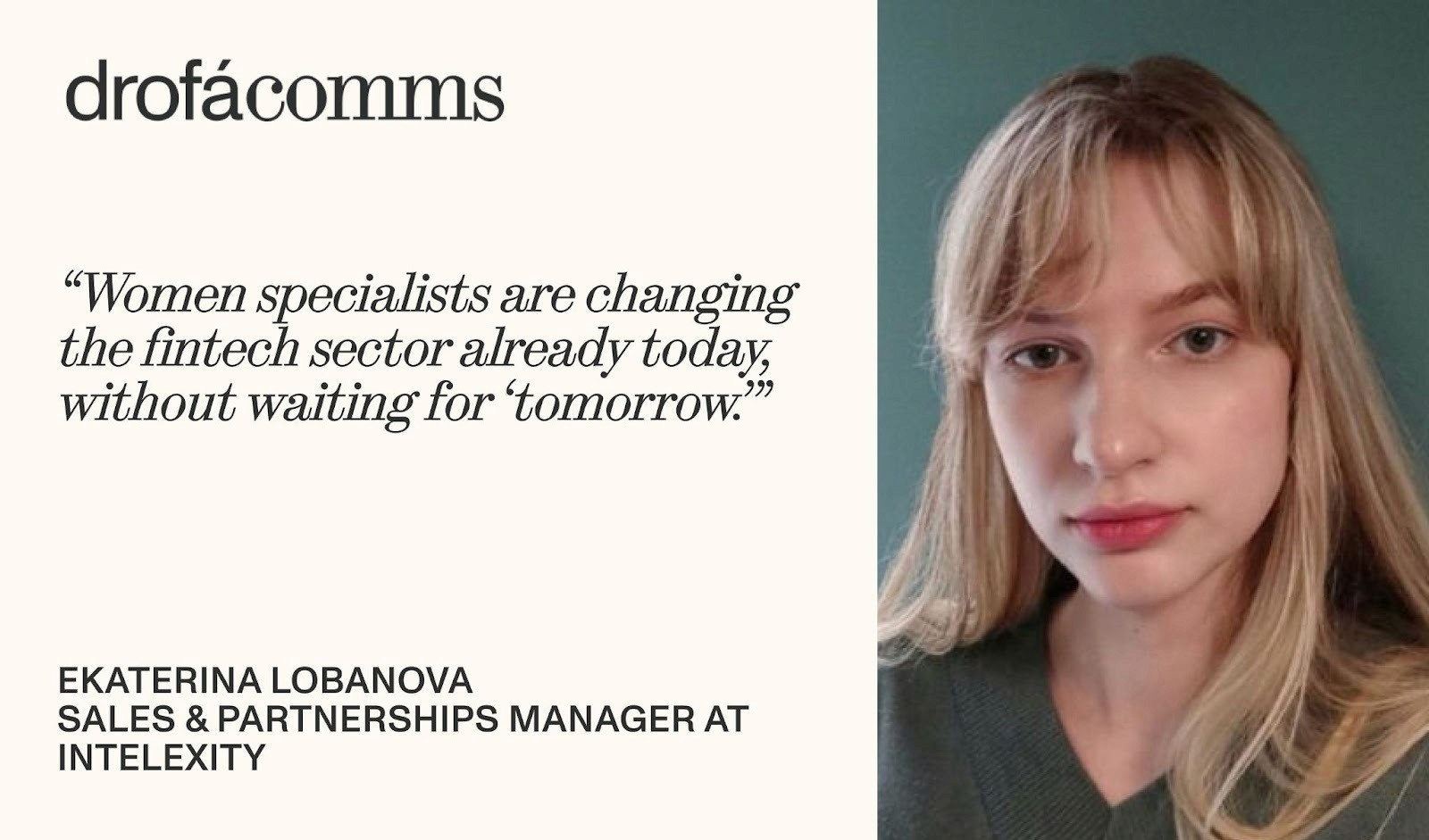
In her work developing partnerships with fintech companies, Lobanova frequently meets women who lead strategic discussions, shape negotiation outcomes, and demonstrate deep technical understanding.
Yet industry data shows that recognition still lags behind participation.
According to recent reports, women hold only around 18% of leadership positions in fintech, while only 12% are represented among publicly recognised industry experts.
These encounters are not exceptions, but a growing norm, especially in the CIS countries, where the gender gap in recognition remains noticeable.
For Lobanova, this trend reflects a gradual shift already underway. In many fintech discussions today, it is women specialists who guide the conversation from the very beginning, translating technical expertise into trust and successful deals.
These everyday interactions, she says, are quietly reshaping the perception of authority across the industry.
Conclusion
The women leaders interviewed for this article agree on the central point: the challenge is not a lack of expertise at all.
Female professionals in finance and fintech already lead complex projects and shape strategic decisions across the industry. So the real issue lies in how their authority is perceived, and whose voices are automatically treated as credible.
To lead the change, organisations need to reconsider how expertise is defined and recognised. Leadership, no matter whether female or male, should be measured only through consistency and long-term impact.
Finally, the industry must address everyday cultural signals — the small patterns that influence recognition, even which hand is shaken first. When these issues are addressed intentionally, the gap begins to narrow.
Acknowledgements: Drofa Comms is thankful to Alexandria Degree, Ekaterina Lobanova, Tori DaCosta, and Tanvi Mittal for lending their expertise to this Women Leading the Way article.
In the finance and fintech industries built around data, professional authority might seem especially merit-based. However, women leaders working in these sectors often describe a different reality.
Even when they hold senior roles, they still face additional barriers to being recognised as experts. Expertise is often perceived as something subjective for women, harder to earn compared to their male colleagues.
These “walls” are rarely clearly indicated. Instead, they appear through subtle social patterns and the way authority is perceived in professional environments.
To better understand why this gap persists, Drofa Comms spoke with women leaders and senior professionals in finance and fintech as part of the Women Leading the Way initiative. Their observations reveal how recognition gaps emerge, and what organisations can do to ensure that expertise, rather than perception, defines who is seen as a leader.
When Authority Is Recognised Before Expertise
One of the most common barriers is the way authority is subconsciously associated with masculinity.
According to Alexandria Degree, Founder and CEO of AskDegree, this pattern influences who gets trusted, quoted, or promoted, as the final voice in the room, often without people realising it.
She notes that in many professional environments, assertive behaviour is interpreted differently depending on who demonstrates it. Confidence in men is frequently interpreted as leadership, while similar behaviour from women can be seen as overly aggressive or inappropriate.
As Degree noticed, this double standard created a subtle but powerful filter. “If a room does not value women’s voice, they redirect their efforts to the many other places where their leadership creates real impact.”
Alexandria Degree believes recognition will only change when organisations broaden their understanding of leadership styles.
Calm, analytical, collaborative decision-making must be valued alongside more traditionally dominant communication styles. Otherwise, in Degree’s opinion, entire categories of expertise risk remaining under-recognised.
The Invisible Work Problem
In fintech, especially, some of the most critical work happens behind the scenes. Preventing failures and maintaining operational stability rarely attracts public recognition. The thing is, success doesn’t only mean that nothing goes wrong.
Tanvi Mittal, Test Automation Lead at US Bancorp, says this dynamic often affects women disproportionately.
Throughout her career in fintech environments, managing systems responsible for billions of dollars in transactions, she has repeatedly seen how recognition gaps emerge.
When men confidently present ideas, their expertise is often assumed immediately, thinks Mittal. Women presenting the same ideas may be expected to prove their knowledge repeatedly before receiving similar credibility.
At the same time, Mittal notices that many women carry responsibility for risk prevention and operational stability — areas where strong performance tends to remain invisible. Women are frequently doing this work, yet it’s invisible because success looks like “nothing went wrong.”
She also notes another cultural challenge: “Many women feel pressure to be grateful just for being included. But inclusion should not be a favour. It should be the norm.”
When participation itself is framed as a privilege, it subtly discourages women from claiming authority or being seen as equals in expert conversations.
Subtle Bias Still Shapes First Impressions
Sometimes the mechanisms behind this recognition gap are surprisingly small, but embedded very deeply.
Tori DaCosta, author, founder of Journey Stone, and business coach, recalls a moment early in her career that revealed how unconscious these patterns can be. During a business meeting nearly a decade ago, Tori DaCosta shared an observation: in professional settings, men often shake hands with other men before greeting women.
Curious whether this was a coincidence, her colleague and DaCosta tested the idea during the next meeting. When another male business leader arrived, he instinctively greeted the male colleague first.
For DaCosta, the moment illustrated something important. The behaviour was not necessarily intentional or disrespectful. It was simply habitual, the way we got raised in a society.
However, these small signals shape professional dynamics more than many organisations realise. Who gets introduced first, who is acknowledged during meetings, and whose opinion is requested can quietly reinforce assumptions about authority.
Over time, these moments accumulate, subtly reinforcing the perception that expertise is more likely to come from certain voices.
How can these cultural norms be changed? DaCosta thinks there should be intentional disruption of patterns — in introductions, in meetings, in the language we use, and in the leaders we elevate.
“When organisations cultivate cultures that promote high-performing women as experts and set a standard of equal respect, the biases don’t disappear overnight, but they become harder to ignore.”
Recognition Gaps in the Fintech Industry
The issue of recognising women as experts is also visible in industry statistics.
Ekaterina Lobanova, Sales & Partnerships Manager at Intelexity, observes that women already play a central role in fintech operations and negotiations, even if public recognition does not always reflect that reality.
In her work developing partnerships with fintech companies, Lobanova frequently meets women who lead strategic discussions, shape negotiation outcomes, and demonstrate deep technical understanding.
Yet industry data shows that recognition still lags behind participation.
According to recent reports, women hold only around 18% of leadership positions in fintech, while only 12% are represented among publicly recognised industry experts.
These encounters are not exceptions, but a growing norm, especially in the CIS countries, where the gender gap in recognition remains noticeable.
For Lobanova, this trend reflects a gradual shift already underway. In many fintech discussions today, it is women specialists who guide the conversation from the very beginning, translating technical expertise into trust and successful deals.
These everyday interactions, she says, are quietly reshaping the perception of authority across the industry.
Conclusion
The women leaders interviewed for this article agree on the central point: the challenge is not a lack of expertise at all.
Female professionals in finance and fintech already lead complex projects and shape strategic decisions across the industry. So the real issue lies in how their authority is perceived, and whose voices are automatically treated as credible.
To lead the change, organisations need to reconsider how expertise is defined and recognised. Leadership, no matter whether female or male, should be measured only through consistency and long-term impact.
Finally, the industry must address everyday cultural signals — the small patterns that influence recognition, even which hand is shaken first. When these issues are addressed intentionally, the gap begins to narrow.
Acknowledgements: Drofa Comms is thankful to Alexandria Degree, Ekaterina Lobanova, Tori DaCosta, and Tanvi Mittal for lending their expertise to this Women Leading the Way article.
London office
Rise, created by Barclays, 41 Luke St, London EC2A 4DP
Nicosia office
2043, Nikokreontos 29, office 202
DP FINANCE COMM LTD (#13523955) Registered Address: N1 7GU, 20-22 Wenlock Road, London, United Kingdom For Operations In The UK
AGAFIYA CONSULTING LTD (#HE 380737) Registered Address: 2043, Nikokreontos 29, Flat 202, Strovolos, Cyprus For Operations In The EU, LATAM, United Stated Of America And Provision Of Services Worldwide
Drofa © 2024
London office
Rise, created by Barclays, 41 Luke St, London EC2A 4DP
Nicosia office
2043, Nikokreontos 29, office 202
DP FINANCE COMM LTD (#13523955) Registered Address: N1 7GU, 20-22 Wenlock Road, London, United Kingdom For Operations In The UK
AGAFIYA CONSULTING LTD (#HE 380737) Registered Address: 2043, Nikokreontos 29, Flat 202, Strovolos, Cyprus For Operations In The EU, LATAM, United Stated Of America And Provision Of Services Worldwide
Drofa © 2024
