Valery Nyukhalova
Event Director at dAGI House
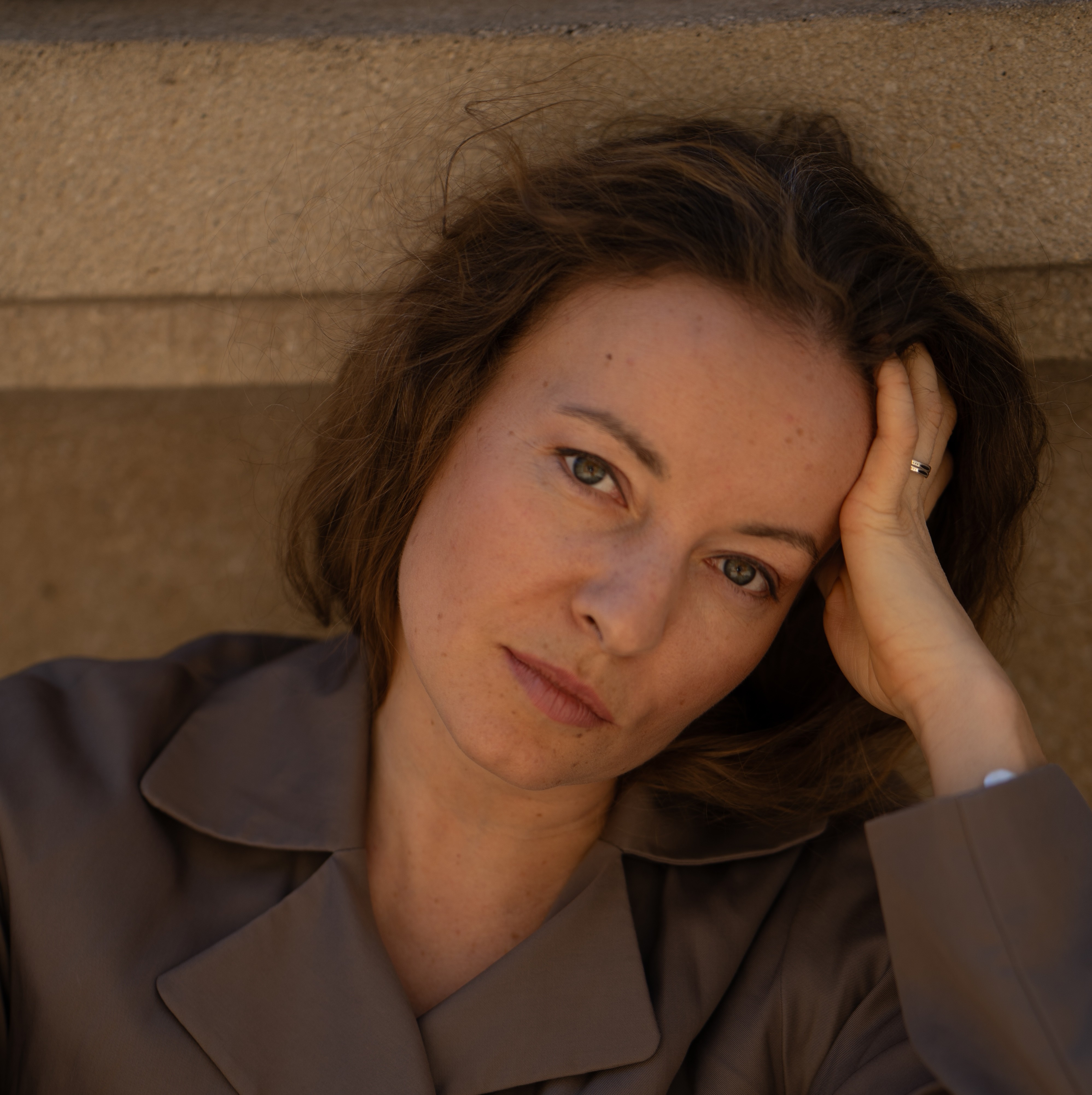
Valery, you recently hosted the dAGI Summit, bringing together leading AI and blockchain innovators. Could you share more about your role as Event Director at dAGI House, your main impressions from the event, and how you see women shaping these industries today?
As Event Director at dAGI House, I focus on creating environments where founders, funders, and researchers can meet as equals, exchange ideas, and develop the next generation of intelligent systems.
The recent dAGI Summit in San Francisco became one of the strongest examples of that. It brought together around 400 participants and united leading voices in distributed AI, blockchain, and open-source innovation. My role, in particular, was to curate the event dynamics and create an atmosphere that encourages genuine collaboration.
The dAGI Summit in San Francisco was one of the most electric experiences I’ve ever produced. We intentionally designed our stage content to give more visibility to emerging talent and female founders. And what impressed me most was how balanced the energy felt. Even in such a technical crowd, 30% of the audience were women, and many conversations were led or joined by women in tech, AI, or related fields.
That said, we’re still early. There’s a lot of space to expand the narrative by reshaping what leadership and innovation mean. Women bring emotional intelligence, community intuition, and systems thinking — qualities essential to the next phase of AI and blockchain evolution.
Your take on expanding the narrative around leadership really resonates. Since you mentioned that nearly 30% of the Summit’s audience were women, and given your experience designing platforms, how important is visibility, and what can make event spaces more inclusive for women leaders?
I am a firm believer that visibility for women in industries like AI and blockchain is crucial and transformational. When women take the stage to lead discussions or share their research, they activate their communities and show the next generation in STEM that everyone belongs in conversation shaping the future of tech.
What makes me especially proud is that, in one of the most male-dominated industries, our entire production team is female. I believe that’s not a coincidence, as women tend to design differently, especially in how we approach event programs and venue space. We think about how people feel in the room, which is why our events are both educational and welcoming — with accessible spaces, networking areas, private rooms, pet-friendly zones, and wellness corners. All these tiny details give our guests a feeling of comfort, that helps to relax and be more open for networking, sharing and collaborations.
But I have to say, after running events around the world, I still see a big diversity gap. There are so many brilliant researchers, developers, and founders doing groundbreaking work, but they often lack the confidence or tools to present their ideas effectively on stage. This is something I want to change. I’m now working on a platform to help experts polish their public speaking skills using AI, training voice modulation, and real-time storytelling.
Yes, the diversity gap in tech is still very real, even with intentional efforts to make events more inclusive. On that note, having international experience, do you notice cultural differences in how women approach leadership or innovation around the world?
Absolutely. Leading events across different continents has shown me just how much culture shapes women’s leadership styles and how resilience takes different forms.
In Dubai I faced a situation where the local venue team hesitated to fulfill their responsibilities and got defencive simply because the event leader was female. There, you have to rely on empathy, emotional intelligence, and consistency to earn respect. It’s possible, but it requires patience and a strong sense of self.
In Asia, cultural dynamics are different. For instance, in Bangkok, I quickly learned that if you’re not hands-on and assertive, things don’t move. So leadership there often means balancing kindness with authority, knowing when to be approachable and when to be decisive and demanding.
In contrast, in Europe and the U.S., women have more visibility, but that doesn’t mean it’s easy. There’s still pressure to prove your competence — to be “tough enough” in male-dominated spaces. You learn to speak directly, to defend your ideas, and to hold your ground in boardrooms or backstage when things go off-script.
Each culture has its own codes. But what unites women everywhere I’ve worked — from Bangkok to San Francisco — is that we’re redefining leadership through authenticity, connection, and making things happen against the odds.
It makes me wonder how different leadership expectations can be across various regions. Building on that, and considering your work with brands like Forbes Women in Tech and EMERGE, what do you see as the most effective ways to support female talent in the industry?
I believe that support is about infrastructure, so it has to go beyond inspiration alone. We need mentorship pipelines, equality in decision-making, visibility in venture funding, and media representation that portrays female leadership as the norm.
When I collaborated with different global projects, I saw how transformative it can be when platforms give women both the microphone and the network, creating opportunities for real connection with investors, partners, and sustained visibility.
I also believe that supporting talent starts with leading by example. In a male-dominated industry, consistently delivering excellence and respecting every stakeholder proves that competence and creativity have no gender. When women see leadership modeled with both strength and empathy, they find the confidence to lead themselves.
Real empowerment comes from daily collaboration and visible examples that show excellence and authority can coexist. This is how an ecosystem becomes stronger and more inclusive.
Thank you, it seems to me that your view of empowerment is genuinely practical. Looking ahead, what is your hope for the next generation of women entering these fields?
My hope is that the next generation won’t have to ask for a seat at the table. Instead, they’ll build inclusive and supportive ecosystems that merge creativity, technology, and empathy to make innovation smarter, more human, more thoughtful, and more sustainable.
I’ve seen how female leadership is contagious: when one woman stands up, she opens doors for many others to follow. So, the more we create change today, the more pathways appear for those coming next.
I’m sure the next generation of women in tech and AI will never be afraid to speak up, lead boldly, and fight for what’s theirs. If I can help build those environments through platforms like dAGI or other similar projects I lead, to me, that’s what real legacy looks like.
