Camilla Parisotto, Florence Vuong
Founders of Babes net
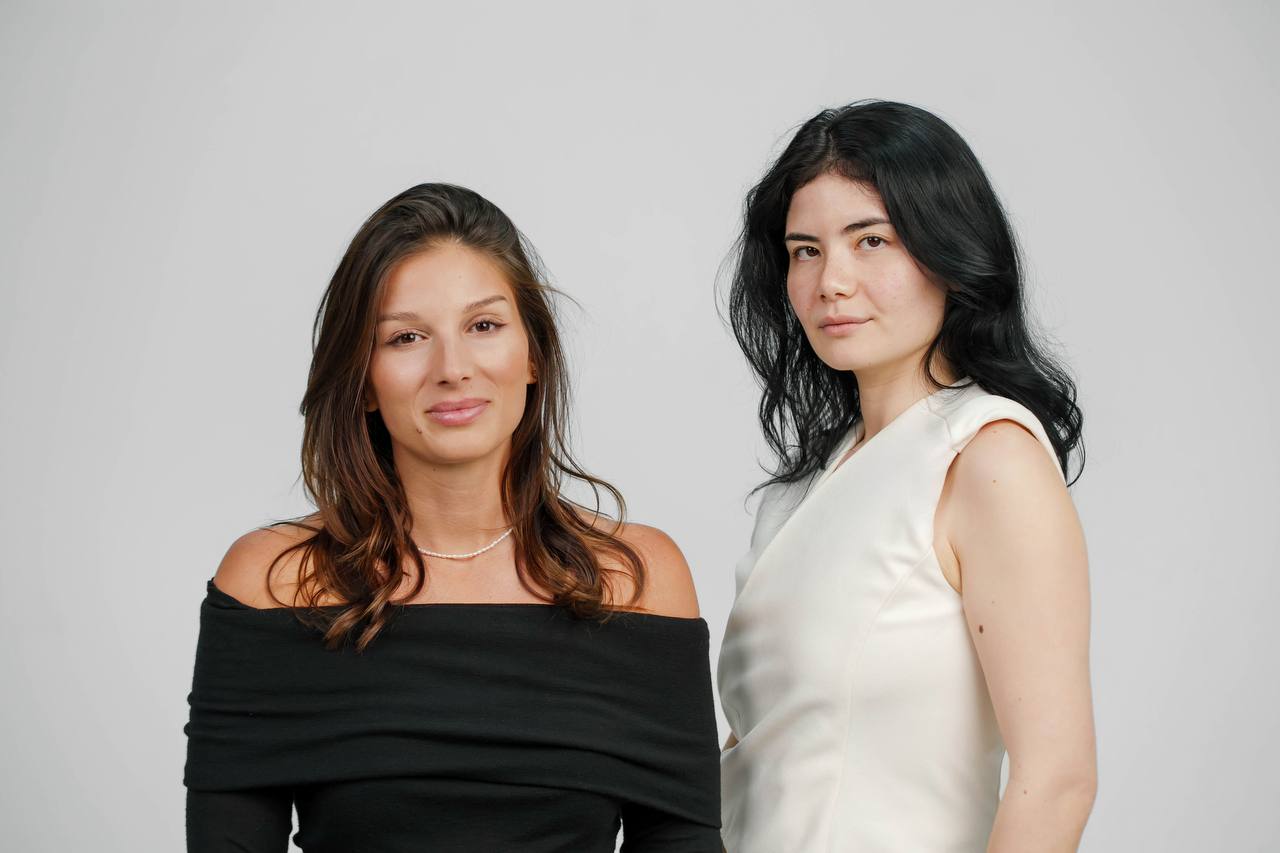
Camilla, Florence, glad to hear from you! You founded the Babes net project, which is known for bringing women across Web3 together. How did you come to the realisation that the fintech space really needs a community like this?
Camilla:
I think the moment came from lived experience. Every woman in Web3 knows what it feels like to land at a conference in a new city and not know where to find your people, or to hear about an amazing women-led event after it's already happened. The women were there, building incredible things, but everything was fragmented, with no real thread tying it together. Babes net has become that missing piece, so now we are just connecting what already exists.
Florence:
The moment I realised we needed this project was at the last EthCC during the nail salon event. The girls were absolutely thrilled: for so many of them, it was a first experience like this. Back then, I caught myself thinking, wait, it’s not a given for women to know where to find safety and belonging. So it has really become the foundation for Babes net, which is about making that amazing feeling a lot more common.
It's interesting that neither of you comes from a traditional finance background, which makes your journey into Web3 even more interesting. How did you first find your way into this space, and what drew you in?
Camilla:
I come from fintech and tech, where I spent 3.5 years at Bloomberg, gaining a bird's-eye view of how institutions, markets, and media operate at the enterprise level. But I first bought crypto long ago, during university, when one of my best friends was mining, and Bitcoin was around $2,000 then. What really drew me in was the ideology — it felt like a genuine revolution against the very system I was observing from the inside. In 2021, I went all in and founded Mood Labs, my Web3 marketing agency.
Florence:
My background is e-commerce and marketing, so I’ve always been wired to spot opportunities and act on them. When a friend told me about NFTs in 2021, I didn’t approach it from a finance perspective at all. Instead, I thought about what could be built, who could be reached, and what problems could be solved. That entrepreneurial instinct is what pulled me in. Web3 felt like a wide-open space where you could truly create something from scratch, and that kind of energy was irresistible to me.
You mentioned Babes net connects women from very different parts of the industry — from those just entering the space to founders, creators, investors, and builders. In your view, what makes such a diverse community truly work, especially in Web3?
Camilla:
Authenticity and structure. I've been part of hundreds of online communities for over a decade and have built and managed them for clients, too. The pattern is always the same: people stay where they feel genuinely seen, but that sense of warmth needs to be supported by strong foundations. It means there should be clear governance, consistent programming, and thoughtful onboarding.
Florence:
To me, what makes the community work is the people and what they bring to each other. In Web3, everyone is at a different stage; some are just finding their feet, others have been building for years, and that mix is actually the magic. When you get women sharing knowledge, opening doors for each other, everyone can grow. But more than anything, there has to be support and friendships to make it real — that's what turns just a group of people into an actual community like Babes net.
When you were bringing women together through events and gatherings across different countries, was there a particular moment that made you stop and think: “This is exactly why we’re doing this”?
Camilla:
The messages we get from women, who found a job through the community or made real friends when they were new to a city, are the ones that stay with me. When we hosted our first brunch in Dubai, a lot of the women who came were new in town. They were looking for their people more than just for new contacts. Watching those connections form, and then hearing months later that those same women had become close friends or had opened doors for each other professionally, that's why we do this.
Florence:
There are two moments that really stuck with me. Some of our “babes” spotted each other on a plane after posting photos in the chat! And after some time, one of the girls suggested a spontaneous call, and over 12 women just showed up to hang out with no agenda, just fun. So the answer to why is in everyday energy, both at events and in our group chat. You can feel when women truly feel safe enough to just be themselves, and that's when the magic happens.
We have to admit, there are plenty of female communities in space now. What makes Babes net different from others?
Camilla:
Most communities in fintech are ecosystem-specific. They exist within a single blockchain, a single corner of Web3. Babes net is deliberately cross-chain and cross-ecosystem, that’s why we don't compete with other women's communities. Instead, we connect and support them like the layer that sits across all of it. We aggregate events, spotlighting builders, and finally make sure women can find each other regardless of where they're building.
You also have an interesting name. What’s the story behind it? Why Babes net?
Camilla:
As women, we sometimes call each other "babe." For us, it's more than a word, but a term of endearment. You call your friends, babe, the people you love, the people you genuinely care about. It shows affection, and we wanted to build a community exactly around this warmth, not networking or a professional association. It is a space where you're among friends, so the name came naturally from that.
Despite female voices becoming louder, Web3 is still often described as a male-dominated industry. From your perspective, how are women changing the space today?
Camilla:
Diverse teams perform better, meaning that more women in the room makes a balance. We naturally bring more empathy and more collaboration in how teams and communities are built. And if crypto wants to be taken seriously as an industry, it needs to catch up with the diversity and inclusion — standards that fintech has been working toward for years. It's a signal of maturity, and the industry is overdue for it.
Florence:
Web3 is finally maturing to a point where people are building real products for the real world, not just for a small pool of early adopters. And in the real world, women drive 80% of consumer spending and make up more than half of the population. That means you simply cannot build meaningful products without their input and perspective. So in a way, the industry is catching up to reality, and we actually see more women in it every year.
Looking ahead, what do you hope Babes net will become over the next few years? What kind of impact do you want it to have on the industry?
Camilla:
We started small, but the growth has been really fast. We have already reached 500 people in three months, and community members are already taking initiative and driving expansion themselves. We're scaling through a chapter model with local leads in cities around the world. Our desired end result is a truly global presence and, eventually, an extension beyond Web3 into other areas of tech where women need the same support and infrastructure. When I imagine the project's future, I see Babes net as the first place any woman thinks of when she enters this space, wherever she is in the world.
Florence:
We want Babes net to grow beyond Web3 and reach women across tech and other industries. The dream is simple, really, and I believe it will easily become a space where women can find each other anywhere in the world. In our community, they will be a missing shoulder to each other, opening doors for one another and building the careers and projects they actually love. Whether you're at a conference in Dubai, a meetup in Paris, or just online at 2 am, Babes net should feel like your people are there.
Thank you for thinking so much about female empowerment! Finally, what would you say to a woman who feels curious about Web3, but is still hesitating to take that first step?
Camilla:
Find your people first. The technology can feel intimidating, and the jargon can feel exclusionary, but the community doesn't have to be. Start by finding women who are already in the space and let them be your entry point. People should be friendly and open, and no one can expect you to know everything before you belong, so don't be afraid to ask questions. Show up curious, and the rest follows.
Florence:
Web3 is just a form of tech, and honestly, it's still finding its footing, like a talented teenager who has accomplished a lot but is still figuring out their place in the world. Given its newness, that's actually great if you're coming from outside the space. The industry genuinely needs the skills and perspectives females already have to bring and to grow into something that works for everyone. And along the way, you'll meet some of the most wonderful, generous people. Just take the first step, the rest follows naturally.
