NEWS
NEWS
Post-MiCA Europe: What the New EU Crypto Rules Mean for Trust
Post-MiCA Europe: What the New EU Crypto Rules Mean for Trust

In 2023, the EU adopted the Markets in Crypto-Assets Regulation — or MiCA — which was designed to replace fragmented national law with a single rulebook. It should allow authorised firms to work across all 27 member states on a single licence. In order to allow businesses across the EU to get in line with the new rules, regulators established a transitional period which ended on July 1st, 2026.
The results, however, proved more complex than expected, as only 8% of 3000 firms have successfully aligned with MiCA by that deadline. Even some of the largest crypto companies failed to meet the new requirements: Binance, for example, suspended part of its European operations. At the same time, though, firms that have moved early now hold a single licence that allows them to work across the whole European Union — and that affords them a significant advantage.
To understand what MiCA means in practice and what its impact is, Drofa Comms consulted leading women professionals in fintech and crypto as part of our Women Leading the Way project. These experts shared their views on why so many players have struggled with new market requirements and explained what the next generation of businesses can do to better position themselves in this matter.
MiCA's Impact on the EU Crypto Market
Within the crypto industry, there were doubts from the start that many companies would be able to switch to the new rules by the deadline. However, according to Katerina Vdovichenko, Chief Business Officer at OroSwap, the number of businesses that failed to meet standards was much higher than anticipated.

"The direction was expected, but the magnitude surprised me. Everyone knew the July 1 cutoff would thin the market, but few predicted how many firms would have to leave," she says.
Another point which caught Katerina by surprise was the distribution of approvals among jurisdictions. Several countries, including Germany, the Netherlands, France, Malta and Ireland, together account for close to 60% of the total authorisations, even as other markets were left bereft.
In Poland, for example, there were over 1400 businesses registered under the previous regime, and yet none of them converted to MiCA by the deadline. "Many of those firms did not fall short on product. They simply could not absorb the fixed cost of compliance," observes Katerina.
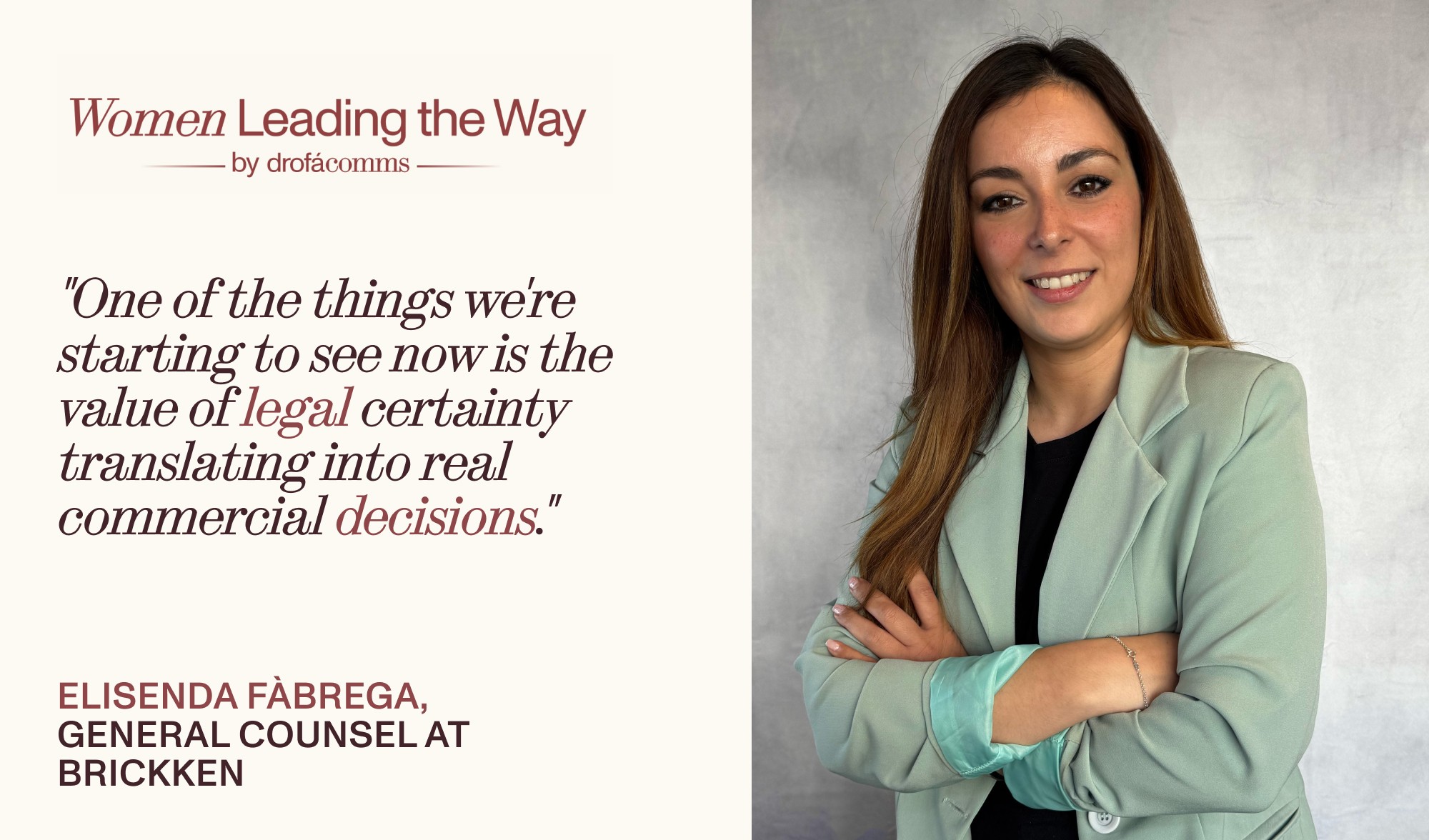
The reason for such a drawback is better understood from a legal perspective. For Elisenda Fàbrega, General Counsel at Brickken, MiCA was an operating standard still to be constructed. "Building robust governance, AML controls, custody arrangements and operational resilience takes years, not months," she notes. For smaller firms, in particular, preparing for the coming regulatory change demanded a greater effort than they could bear, and this is why many of them eventually fell short of the end goal.
Advantages That Companies Get by Aligning With MiCA
As for the companies that could meet the requirements in time, they gained a competitive advantage but also now face new challenges. Under the old regulation, a firm's licence worked only within national borders. Under MiCA, one licence covers all 27 member states at once, which means that companies lost the option of choosing the most lenient national regulator. Now, every company works under equal conditions. "The era of jurisdictional arbitrage inside Europe has closed," states Katerina, “and while that’s a hard adjustment, the clarity it brings is valuable.”
Elisenda agrees, stating that unified rules help in enhancing credibility. To attract customers and capital, a company needs to explain how exactly the business is run and how assets are protected. By giving the market one framework for those answers, MiCA could shape where capital goes and who clients are going to trust more.
Katerina’s thoughts further build on this point: ”Trust just became a moat smaller firms can genuinely own. A two-year-old company with an authorisation and clean operational controls can now compete credibly with giants, which is something that was nearly impossible when trust was purely a function of brand and balance sheet.”
How Trust Is Built After MiCA
Understanding that the new regulation can bring trust to the market leads to the question of how exactly firms could build it.
According to Katerina, newer firms have three routes. The first one is being MiCA-native from the start. The second is to specialise in several market segments and provide regulated infrastructure for other large players to build on instead of directly competing for retail customers. The third is to stay outside custody and use non-intermediated models. Each path, she argues, is a different answer to the new challenges posed by MiCA.
Elisenda also agrees that businesses should not have to rebuild all legal and compliance functions internally when they already exist elsewhere. It is intensive work that demands a lot of time and resources, so for many players, it simply makes more sense to build on infrastructure that already meets MiCA's standards, as it would allow them to grow faster.
“MiCA together with the previous existing regulations have established a strong foundation and the market now needs the confidence that comes from consistent application… Innovation moves quickly, but businesses can adapt to change when the direction is clear, and that predictability is ultimately what encourages long-term investment," is what she believes.
Conclusion
Ultimately, both speakers share the opinion that the new regulation will be the first step to building a market that will compete on trust and governance. Since every authorised company will now work under the same framework, they can no longer get an advantage by choosing the most suitable national regulatory regime across Europe. With MiCA in place, businesses will have to set themselves apart by their ability to clearly demonstrate whether they can be trusted.
Those firms that already met the new requirements by the July deadline can now use the expanded reach to their advantage. That said, this advantage will not last on its own. Over time, more and more players will get MiCA-authorised, and the market will adjust to playing by new rules. As a result, the trust these firms build with customers and investors will become a greater differentiator than regulatory status alone.
Acknowledgements: Drofa Comms thanks Katerina Vdovichenko and Elisenda Fàbrega for lending their expertise to this Women Leading the Way article.
In 2023, the EU adopted the Markets in Crypto-Assets Regulation — or MiCA — which was designed to replace fragmented national law with a single rulebook. It should allow authorised firms to work across all 27 member states on a single licence. In order to allow businesses across the EU to get in line with the new rules, regulators established a transitional period which ended on July 1st, 2026.
The results, however, proved more complex than expected, as only 8% of 3000 firms have successfully aligned with MiCA by that deadline. Even some of the largest crypto companies failed to meet the new requirements: Binance, for example, suspended part of its European operations. At the same time, though, firms that have moved early now hold a single licence that allows them to work across the whole European Union — and that affords them a significant advantage.
To understand what MiCA means in practice and what its impact is, Drofa Comms consulted leading women professionals in fintech and crypto as part of our Women Leading the Way project. These experts shared their views on why so many players have struggled with new market requirements and explained what the next generation of businesses can do to better position themselves in this matter.
MiCA's Impact on the EU Crypto Market
Within the crypto industry, there were doubts from the start that many companies would be able to switch to the new rules by the deadline. However, according to Katerina Vdovichenko, Chief Business Officer at OroSwap, the number of businesses that failed to meet standards was much higher than anticipated.
"The direction was expected, but the magnitude surprised me. Everyone knew the July 1 cutoff would thin the market, but few predicted how many firms would have to leave," she says.
Another point which caught Katerina by surprise was the distribution of approvals among jurisdictions. Several countries, including Germany, the Netherlands, France, Malta and Ireland, together account for close to 60% of the total authorisations, even as other markets were left bereft.
In Poland, for example, there were over 1400 businesses registered under the previous regime, and yet none of them converted to MiCA by the deadline. "Many of those firms did not fall short on product. They simply could not absorb the fixed cost of compliance," observes Katerina.
The reason for such a drawback is better understood from a legal perspective. For Elisenda Fàbrega, General Counsel at Brickken, MiCA was an operating standard still to be constructed. "Building robust governance, AML controls, custody arrangements and operational resilience takes years, not months," she notes. For smaller firms, in particular, preparing for the coming regulatory change demanded a greater effort than they could bear, and this is why many of them eventually fell short of the end goal.
Advantages That Companies Get by Aligning With MiCA
As for the companies that could meet the requirements in time, they gained a competitive advantage but also now face new challenges. Under the old regulation, a firm's licence worked only within national borders. Under MiCA, one licence covers all 27 member states at once, which means that companies lost the option of choosing the most lenient national regulator. Now, every company works under equal conditions. "The era of jurisdictional arbitrage inside Europe has closed," states Katerina, “and while that’s a hard adjustment, the clarity it brings is valuable.”
Elisenda agrees, stating that unified rules help in enhancing credibility. To attract customers and capital, a company needs to explain how exactly the business is run and how assets are protected. By giving the market one framework for those answers, MiCA could shape where capital goes and who clients are going to trust more.
Katerina’s thoughts further build on this point: ”Trust just became a moat smaller firms can genuinely own. A two-year-old company with an authorisation and clean operational controls can now compete credibly with giants, which is something that was nearly impossible when trust was purely a function of brand and balance sheet.”
How Trust Is Built After MiCA
Understanding that the new regulation can bring trust to the market leads to the question of how exactly firms could build it.
According to Katerina, newer firms have three routes. The first one is being MiCA-native from the start. The second is to specialise in several market segments and provide regulated infrastructure for other large players to build on instead of directly competing for retail customers. The third is to stay outside custody and use non-intermediated models. Each path, she argues, is a different answer to the new challenges posed by MiCA.
Elisenda also agrees that businesses should not have to rebuild all legal and compliance functions internally when they already exist elsewhere. It is intensive work that demands a lot of time and resources, so for many players, it simply makes more sense to build on infrastructure that already meets MiCA's standards, as it would allow them to grow faster.
“MiCA together with the previous existing regulations have established a strong foundation and the market now needs the confidence that comes from consistent application… Innovation moves quickly, but businesses can adapt to change when the direction is clear, and that predictability is ultimately what encourages long-term investment," is what she believes.
Conclusion
Ultimately, both speakers share the opinion that the new regulation will be the first step to building a market that will compete on trust and governance. Since every authorised company will now work under the same framework, they can no longer get an advantage by choosing the most suitable national regulatory regime across Europe. With MiCA in place, businesses will have to set themselves apart by their ability to clearly demonstrate whether they can be trusted.
Those firms that already met the new requirements by the July deadline can now use the expanded reach to their advantage. That said, this advantage will not last on its own. Over time, more and more players will get MiCA-authorised, and the market will adjust to playing by new rules. As a result, the trust these firms build with customers and investors will become a greater differentiator than regulatory status alone.
Acknowledgements: Drofa Comms thanks Katerina Vdovichenko and Elisenda Fàbrega for lending their expertise to this Women Leading the Way article.
London office
Rise, created by Barclays, 41 Luke St, London EC2A 4DP
Nicosia office
2043, Nikokreontos 29, office 202
DP FINANCE COMM LTD (#13523955) Registered Address: N1 7GU, 20-22 Wenlock Road, London, United Kingdom For Operations In The UK
AGAFIYA CONSULTING LTD (#HE 380737) Registered Address: 2043, Nikokreontos 29, Flat 202, Strovolos, Cyprus For Operations In The EU, LATAM, United Stated Of America And Provision Of Services Worldwide
Drofa © 2024
London office
Rise, created by Barclays, 41 Luke St, London EC2A 4DP
Nicosia office
2043, Nikokreontos 29, office 202
DP FINANCE COMM LTD (#13523955) Registered Address: N1 7GU, 20-22 Wenlock Road, London, United Kingdom For Operations In The UK
AGAFIYA CONSULTING LTD (#HE 380737) Registered Address: 2043, Nikokreontos 29, Flat 202, Strovolos, Cyprus For Operations In The EU, LATAM, United Stated Of America And Provision Of Services Worldwide
Drofa © 2024
