NEWS
NEWS
The Buzz Is Dying Down. Where Blockchain, Web3, and Crypto Are Headed Next?
The Buzz Is Dying Down. Where Blockchain, Web3, and Crypto Are Headed Next?
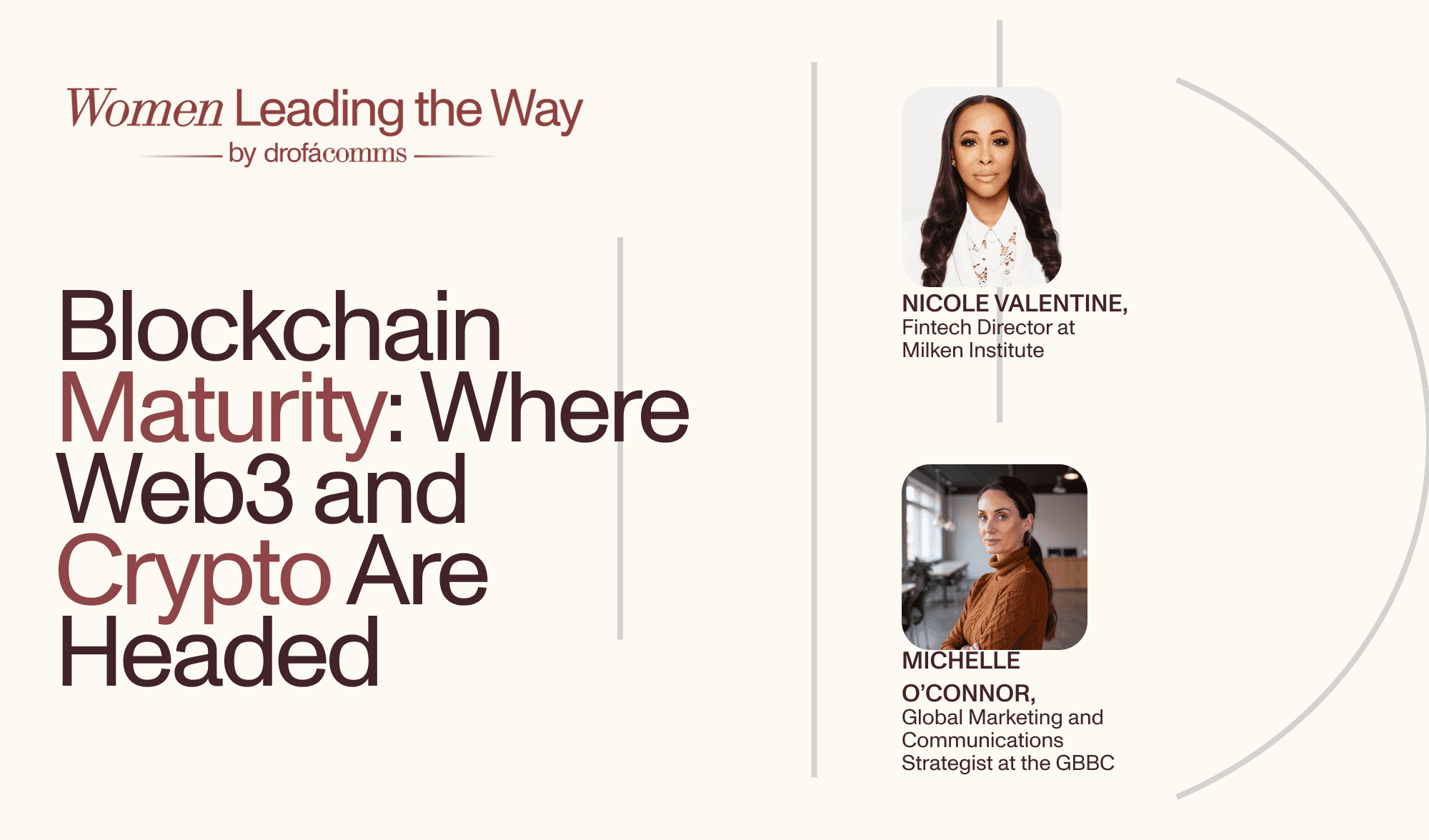
For years, blockchain, Web3, and crypto were largely associated with innovation, but at the same time, with being high-risk and connected to speculation. Enthusiasts saw them as part of a new digital economy, while critics questioned whether the technologies could ever be relevant.
Today, it seems that these discussions are changing. Major financial institutions are launching digital asset initiatives, and policymakers are actively debating regulatory frameworks. With more than 235 billion dollars being poured into Web3, even those who used to criticise admit that the technology has reached a new chapter.
To better understand where the industry stands today and where it may be heading next, the Drofa Comms team spoke with leading voices from the blockchain and Web3 ecosystem. Let's look at their opinions.
The Industry Has Reached a New Level of Maturity
One of the strongest topics emerging from industry leaders is that the blockchain ecosystem has matured significantly over the past several years.
Nicole Valentine, Fintech Director at the Milken Institute, explains that although blockchain, Web3, and crypto are often discussed together, they represent different layers of the same ecosystem.
She thinks that blockchain is the technology foundation, while Web3 focuses on decentralised networks and digital ownership. “Crypto adds the investment and market side that often drives public attention,” Nicole says.
According to Ms Valentine, even the industry's market correction periods have led it to a new level of maturity. When the so-called "Crypto Winter" appeared, it forced companies and investors to focus less on speculation and more on creating sustainable value.
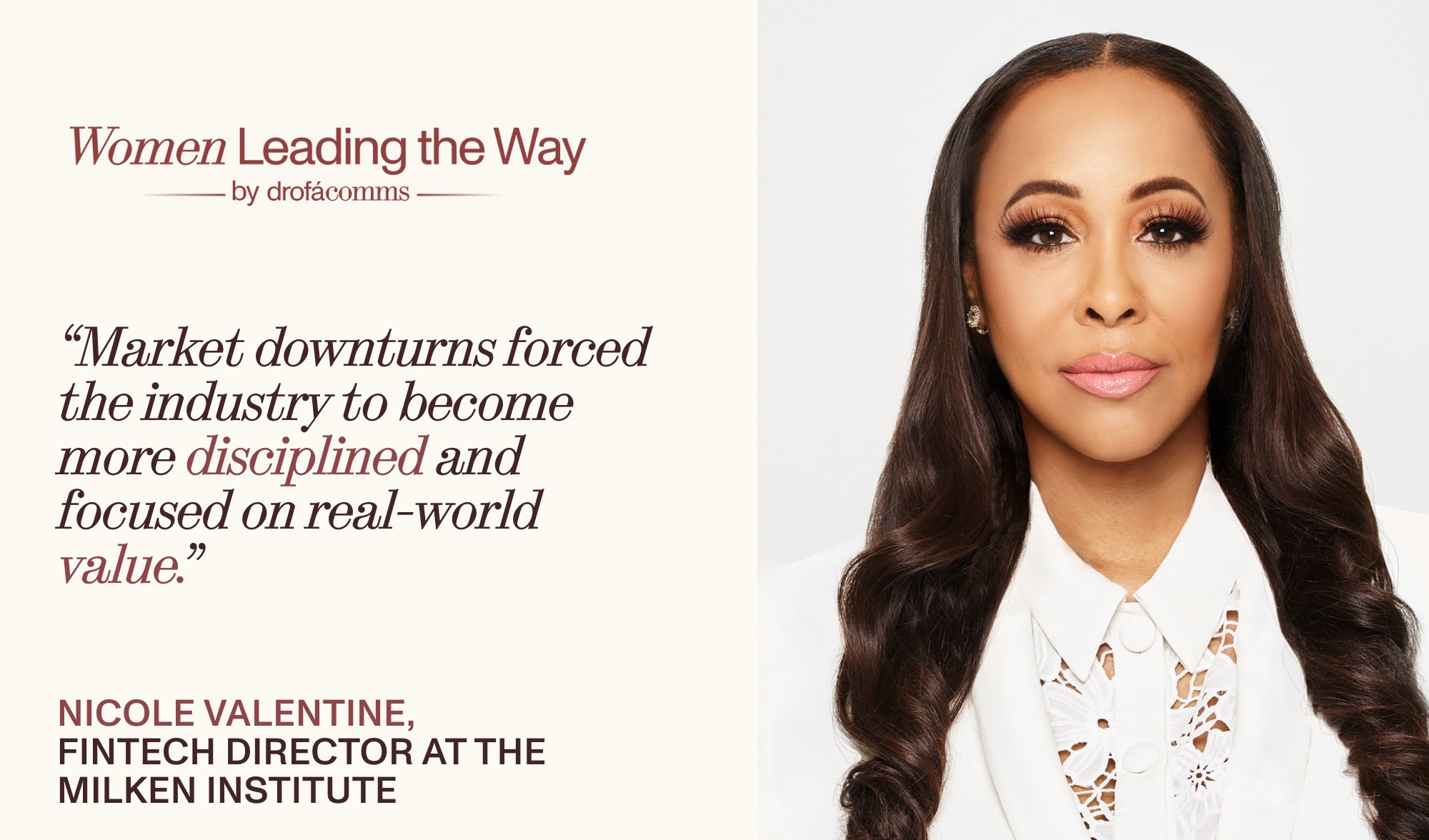
"Market downturns forced the industry to become more disciplined and focused on real-world value," she says.
Actually, some of the leading crypto projects today, including Solana, Cosmos, and Uniswap, were built and launched exactly during tough periods. The reason is the same, as Ms Valentine discusses: after a crisis, investors' focus is all on product and business development, so only decent projects can survive.
How Crypto Moves Away from Hype?
Michelle O'Connor, Global Marketing and Communications Strategist at the Global Blockchain Business Council (GBBC) and Chief Strategy Officer and Board Chairwoman of AWIC, has observed a similar transformation.
"The blockchain and Web3 community has grown up," she explains. "What was once a fringe conversation dominated by speculation and scepticism has become a serious infrastructure conversation happening at the highest levels of finance, policy, and enterprise technology."
Interestingly, O'Connor believes the most significant change has not been technological. This way, she points to the evolution of relationships within the ecosystem itself.
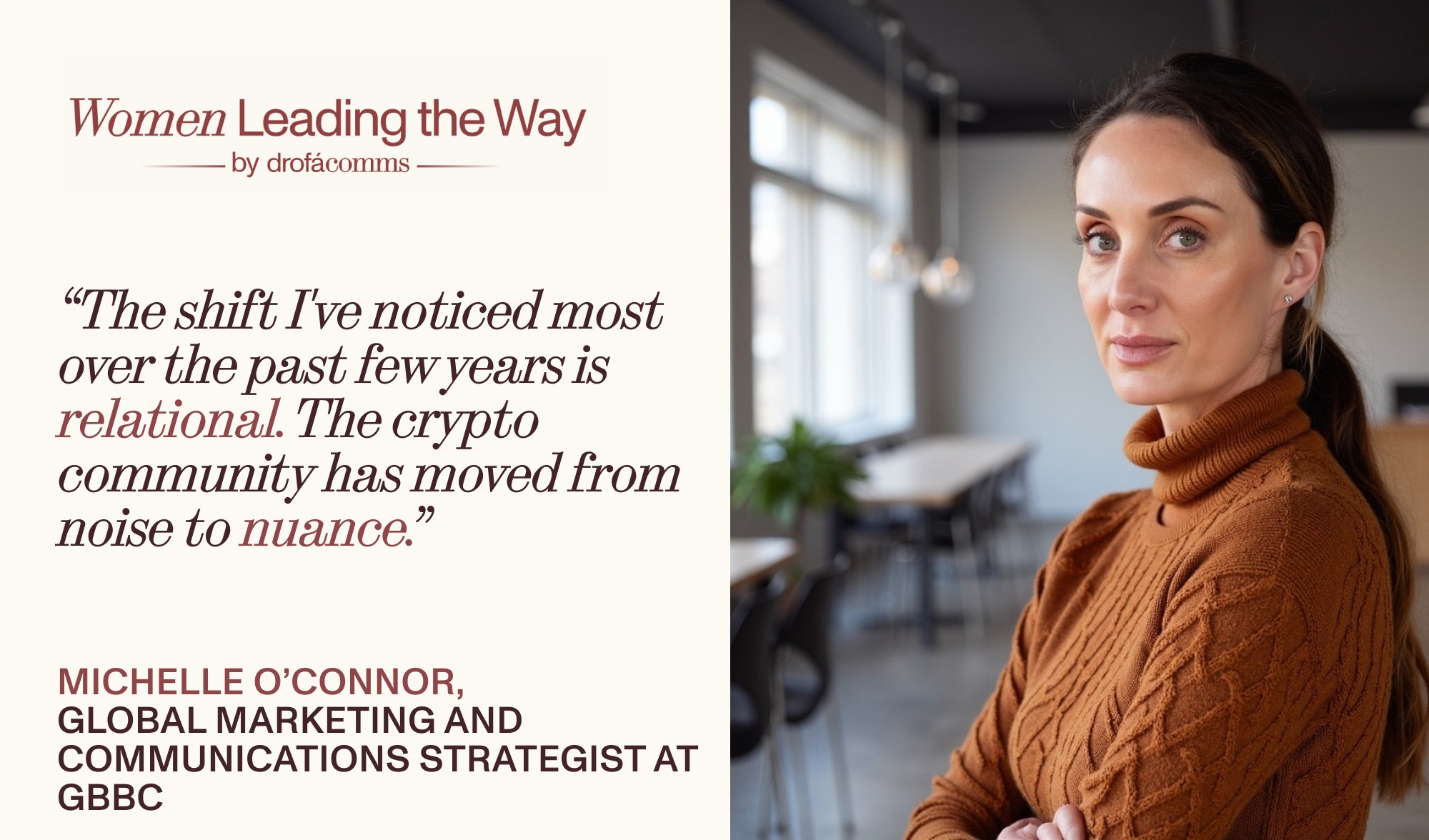
“The shift I've noticed most over the past few years is relational. The crypto community has moved from noise to nuance,” she says.
Michelle also believes that events like Paris Blockchain Week and Consensus have ceased to be just networking opportunities. They are where real institutional decisions get shaped and where the people building the future of digital finance actually find each other.
And this is not only about the Paris Blockchain Week. For instance, TOKEN2049, a well-known crypto conference, is already referred to as the "New Davos of Digital Assets," a place where strategic alliances and investment commitments often arise behind closed doors.
The reason is that at events like TOKEN, many venture funds, DAOs, and strategic investors announced new allocations, incubations, and token launch partnerships. And more than 60% of the participants are C-suite level top managers.
What Is Next in Industry Development?
Looking ahead, both experts expect blockchain and Web3 to become increasingly integrated with other groundbreaking technologies. For O'Connor, the future will be defined by convergence.
"AI, digital identity, tokenised assets, and compliance infrastructure are no longer separate tracks," she says. "They are collapsing into a single question: how do we build systems that are both trusted and efficient?"
AI is now being applied to digital asset management, payment systems, and compliance monitoring. Tokenisation and digital identity tools, in turn, are creating new infrastructure for secure cross-industry transactions.
Valentine believes the overlap between these technologies will define what comes next. "AI will accelerate innovation across digital assets, payments, and online commerce in ways we're only beginning to understand," she says.
Whether the two converge into something cohesive or simply continue to borrow from each other remains an open question. But few in the industry are betting against it.
Community Still Matters
Despite the industry's growing institutional presence, both experts note that something different is one of the drivers. They admit that community remains one of its most valuable assets.
That’s why, for professionals attending conferences and industry events, technical knowledge alone is no longer enough. Valentine, for example, advises participants to focus on practical applications.
"Come prepared with real examples, not just big ideas. Audiences want practical use cases and clear explanations of how these technologies solve problems."
She also highlights the importance of understanding perspectives from traditional finance and policymakers. "The strongest speakers can explain innovation in a way that feels credible, balanced, and grounded in real-world impact."
O'Connor offers similar advice.
"My advice for anyone showing up to these events: come with a point of view, not just a business card." According to her, meaningful relationships often create more value than any single conference session.
"The rooms are smaller than they look, and the relationships last longer than the conferences."
Conclusion
After years of development, the blockchain, Web3, and the broader crypto ecosystem has gone through the transformation from an early-stage experiment to a foundation. It's now shaping financial modernisation and digital finrastructure at the highest possible levels of policy and enterprise.
We're sure that the speculation phase is behind us. What comes next for blockchain and Web3 will be influenced by what builders release, deploy, sustain, and scale.
Acknowledgments: Drofa Comms is thankful to Nicole Valentine and Michelle O'Connor for contributing their expertise and insights to this Women Lrading the Way article.
For years, blockchain, Web3, and crypto were largely associated with innovation, but at the same time, with being high-risk and connected to speculation. Enthusiasts saw them as part of a new digital economy, while critics questioned whether the technologies could ever be relevant.
Today, it seems that these discussions are changing. Major financial institutions are launching digital asset initiatives, and policymakers are actively debating regulatory frameworks. With more than 235 billion dollars being poured into Web3, even those who used to criticise admit that the technology has reached a new chapter.
To better understand where the industry stands today and where it may be heading next, the Drofa Comms team spoke with leading voices from the blockchain and Web3 ecosystem. Let's look at their opinions.
The Industry Has Reached a New Level of Maturity
One of the strongest topics emerging from industry leaders is that the blockchain ecosystem has matured significantly over the past several years.
Nicole Valentine, Fintech Director at the Milken Institute, explains that although blockchain, Web3, and crypto are often discussed together, they represent different layers of the same ecosystem.
She thinks that blockchain is the technology foundation, while Web3 focuses on decentralised networks and digital ownership. “Crypto adds the investment and market side that often drives public attention,” Nicole says.
According to Ms Valentine, even the industry's market correction periods have led it to a new level of maturity. When the so-called "Crypto Winter" appeared, it forced companies and investors to focus less on speculation and more on creating sustainable value.
"Market downturns forced the industry to become more disciplined and focused on real-world value," she says.
Actually, some of the leading crypto projects today, including Solana, Cosmos, and Uniswap, were built and launched exactly during tough periods. The reason is the same, as Ms Valentine discusses: after a crisis, investors' focus is all on product and business development, so only decent projects can survive.
How Crypto Moves Away from Hype?
Michelle O'Connor, Global Marketing and Communications Strategist at the Global Blockchain Business Council (GBBC) and Chief Strategy Officer and Board Chairwoman of AWIC, has observed a similar transformation.
"The blockchain and Web3 community has grown up," she explains. "What was once a fringe conversation dominated by speculation and scepticism has become a serious infrastructure conversation happening at the highest levels of finance, policy, and enterprise technology."
Interestingly, O'Connor believes the most significant change has not been technological. This way, she points to the evolution of relationships within the ecosystem itself.
“The shift I've noticed most over the past few years is relational. The crypto community has moved from noise to nuance,” she says.
Michelle also believes that events like Paris Blockchain Week and Consensus have ceased to be just networking opportunities. They are where real institutional decisions get shaped and where the people building the future of digital finance actually find each other.
And this is not only about the Paris Blockchain Week. For instance, TOKEN2049, a well-known crypto conference, is already referred to as the "New Davos of Digital Assets," a place where strategic alliances and investment commitments often arise behind closed doors.
The reason is that at events like TOKEN, many venture funds, DAOs, and strategic investors announced new allocations, incubations, and token launch partnerships. And more than 60% of the participants are C-suite level top managers.
What Is Next in Industry Development?
Looking ahead, both experts expect blockchain and Web3 to become increasingly integrated with other groundbreaking technologies. For O'Connor, the future will be defined by convergence.
"AI, digital identity, tokenised assets, and compliance infrastructure are no longer separate tracks," she says. "They are collapsing into a single question: how do we build systems that are both trusted and efficient?"
AI is now being applied to digital asset management, payment systems, and compliance monitoring. Tokenisation and digital identity tools, in turn, are creating new infrastructure for secure cross-industry transactions.
Valentine believes the overlap between these technologies will define what comes next. "AI will accelerate innovation across digital assets, payments, and online commerce in ways we're only beginning to understand," she says.
Whether the two converge into something cohesive or simply continue to borrow from each other remains an open question. But few in the industry are betting against it.
Community Still Matters
Despite the industry's growing institutional presence, both experts note that something different is one of the drivers. They admit that community remains one of its most valuable assets.
That’s why, for professionals attending conferences and industry events, technical knowledge alone is no longer enough. Valentine, for example, advises participants to focus on practical applications.
"Come prepared with real examples, not just big ideas. Audiences want practical use cases and clear explanations of how these technologies solve problems."
She also highlights the importance of understanding perspectives from traditional finance and policymakers. "The strongest speakers can explain innovation in a way that feels credible, balanced, and grounded in real-world impact."
O'Connor offers similar advice.
"My advice for anyone showing up to these events: come with a point of view, not just a business card." According to her, meaningful relationships often create more value than any single conference session.
"The rooms are smaller than they look, and the relationships last longer than the conferences."
Conclusion
After years of development, the blockchain, Web3, and the broader crypto ecosystem has gone through the transformation from an early-stage experiment to a foundation. It's now shaping financial modernisation and digital finrastructure at the highest possible levels of policy and enterprise.
We're sure that the speculation phase is behind us. What comes next for blockchain and Web3 will be influenced by what builders release, deploy, sustain, and scale.
Acknowledgments: Drofa Comms is thankful to Nicole Valentine and Michelle O'Connor for contributing their expertise and insights to this Women Lrading the Way article.
London office
Rise, created by Barclays, 41 Luke St, London EC2A 4DP
Nicosia office
2043, Nikokreontos 29, office 202
DP FINANCE COMM LTD (#13523955) Registered Address: N1 7GU, 20-22 Wenlock Road, London, United Kingdom For Operations In The UK
AGAFIYA CONSULTING LTD (#HE 380737) Registered Address: 2043, Nikokreontos 29, Flat 202, Strovolos, Cyprus For Operations In The EU, LATAM, United Stated Of America And Provision Of Services Worldwide
Drofa © 2024
London office
Rise, created by Barclays, 41 Luke St, London EC2A 4DP
Nicosia office
2043, Nikokreontos 29, office 202
DP FINANCE COMM LTD (#13523955) Registered Address: N1 7GU, 20-22 Wenlock Road, London, United Kingdom For Operations In The UK
AGAFIYA CONSULTING LTD (#HE 380737) Registered Address: 2043, Nikokreontos 29, Flat 202, Strovolos, Cyprus For Operations In The EU, LATAM, United Stated Of America And Provision Of Services Worldwide
Drofa © 2024
